African Lion Species Intelligence
Panthera leoCooperative ambush pursuit Lions rely on stealth to approach prey closely before launching a short, powerful sprint. Females do the majority of hunting.
330 individuals A pride typically consists of related females, their cubs, and a coalition of 1-3 dominant males.
Primarily nocturnal Lions hunt mostly at night or during the cooler hours of dawn and dusk, resting during the heat of the day.
~650 PSI
BFQ: 112 | Skull: 3240 cm
Rabies, Canine Distemper (fatal to lions), Feline Immunodeficiency Virus (FIV), and bovine tuberculosis.
~20,00024,000 remaining in the wild. Listed as Vulnerable by the IUCN, with populations decreasing primarily due to habitat loss and human-wildlife conflict.
265550 lbs (120250 kg) Males average 330-550 lbs; Females 265-400 lbs. They massively outweigh even the largest LGDs.
1-4 cubs per litter No fixed breeding season. Lionesses in a pride often synchronize their reproductive cycles and communally rear cubs.
Sub-Saharan Africa Plus a small endangered population of Asiatic lions in India's Gir Forest. They prefer savannas, grasslands, and open woodlands.
8150 sq mi per pride Territory size is highly dependent on prey density and water availability, aggressively defended by resident males.
Key Takeaways
- Overwhelming size advantage: An adult lion can weigh 3-4 times as much as a large LGD. Dogs cannot engage them physically; their purpose is early warning and behavioral deterrence.
- Multi-species deterrence: In regions like Namibia and Kenya, LGDs are increasingly used to protect goat and sheep kraals from lions, leopards, and cheetahs.
- Nighttime vulnerability: Because lions hunt primarily at night, robust protective kraals (bomas) combined with vocal LGDs inside or immediately adjacent provide the most effective defense.
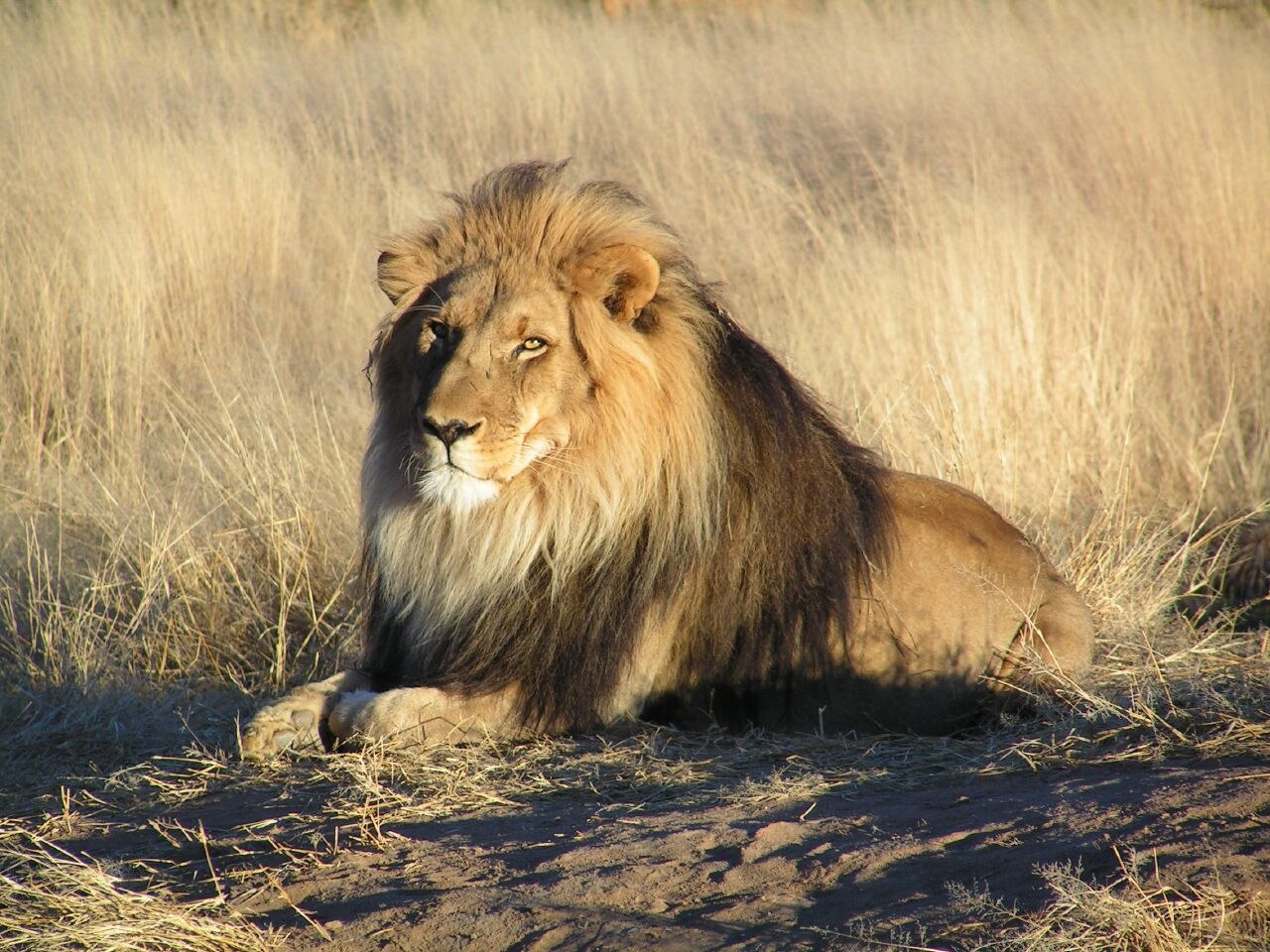
The African Lion Threat
The African Lion represents a Tier 5 Megafauna threat to livestock operations in its native range. LGDs must rely on intense vocal deterrence, sheer numbers, and secure enclosures (bomas) to combat this overwhelming predator. Physical engagement with a lion is almost always fatal for a dog.
LGDs in African Conservation
While historically bred in Eurasia, LGDs (particularly Anatolian Shepherds and Kangals) have been successfully introduced to sub-Saharan Africa. Organizations like the Cheetah Conservation Fund (CCF) have placed hundreds of dogs with local farmers. While primarily deployed against cheetahs and leopards, the loud, aggressive barking of an LGD team often deters lions from approaching nighttime enclosures.
Tactical Implementation: The Boma System
An LGD's success against lions relies entirely on the owner providing the right environment. Robust, high-walled nighttime enclosures known as kraals or bomas are essential. The LGD acts as an alarm system from inside the safety of the boma, alerting human herdsmen and discouraging the pride from attempting a breach.
Pride vs. Pack Dynamics
Unlike solitary big cats, lions coordinate their hunts. While the lionesses do most of the hunting using complex flanking maneuvers, the presence of a massive male lion represents an insurmountable physical threat. LGD teams must present enough unified noise and chaos to convince the pride that the prey is too difficult to extract safely.
The Conservation Challenge
Human-wildlife conflict is the leading cause of lion mortality. When lions kill livestock, pastoralists often retaliate by poisoning carcasses or shooting the cats. By successfully deterring attacks without killing the predator, LGDs play a critical role in global lion conservation, protecting farmers' livelihoods and preserving vulnerable wildlife populations simultaneously.