While the big predators — coyotes, wolves, bears — get the most attention, small and mid-size predators are responsible for a massive volume of poultry and small livestock losses across the United States. Foxes, bobcats, raccoons, weasels, mink, and opossums are persistent, adaptable, and nocturnal, making them a constant challenge for small-scale and backyard farm operations. The good news: LGDs are highly effective against nearly all of them.
Key Takeaways
- High Effectiveness: LGDs are highly effective against foxes, bobcats, and opossums. These solitary predators are risk-averse and generally flee from canine deterrence.
- Nocturnal Threat: Almost all small predators hunt between dusk and dawn. Deploying LGDs in the patrol zone during this period is critical.
- Hardware Limitations: LGDs cannot stop climbers (raccoons) or squeezers (weasels/mink) from entering insecure coops. LGDs must be paired with hardware cloth (not chicken wire) and predator-proof latches.
Small & Mid-Size Predators — Species Intelligence
Foxes, Bobcats, Raccoons, Weasels, OpossumsStealth/ambush (all nocturnal) — Foxes dig under fences. Bobcats leap-and-bite. Raccoons open latches. Weasels exploit 1-inch gaps. All rely on darkness and the absence of guardians.
Solitary — All small predators hunt alone. This means a single LGD is sufficient deterrence for all except weasels/mink (which are too small and fast for dogs to intercept).
Nocturnal (all species) — Peak activity between sunset and sunrise. This aligns perfectly with LGD natural patrol behavior. Lock coops before dark and deploy your LGD in the patrol zone.
Excellent
Foxes, bobcats, opossums all flee. Exception: weasels (too small)
Rabies (foxes, raccoons, skunks), Roundworm (raccoon Baylisascaris), Distemper, Leptospirosis. Keep LGD vaccinations current.
Poultry, eggs, young lambs/kids, rabbits — Foxes and bobcats take full-size birds. Weasels can kill an entire coop overnight. Raccoons pull birds through wire and crush eggs.
Fox: 6–15 lbs | Bobcat: 15–35 lbs | Raccoon: 8–25 lbs | Weasel: 1–12 oz | Opossum: 4–14 lbs. All massively outweighed by LGDs.
Moderate to high — Fox: 4–6 kits/year. Bobcat: 1–6 kittens/year. Raccoon: 2–5 kits/year. Opossum: up to 13 joeys, 1–2 litters/year. Populations are self-sustaining. Elimination is not realistic — deterrence is key.
All continental US. Red foxes are in all 50 states. Raccoons: all eastern + central states, expanding west. Bobcats: all lower 48. These predators live everywhere livestock does.
Fox: 1–5 sq mi | Bobcat: 5–30 sq mi | Raccoon: 0.1–3 sq mi | All small enough that multiple individuals will overlap your farm. Year-round deterrence is necessary.
Foxes (Red & Gray)
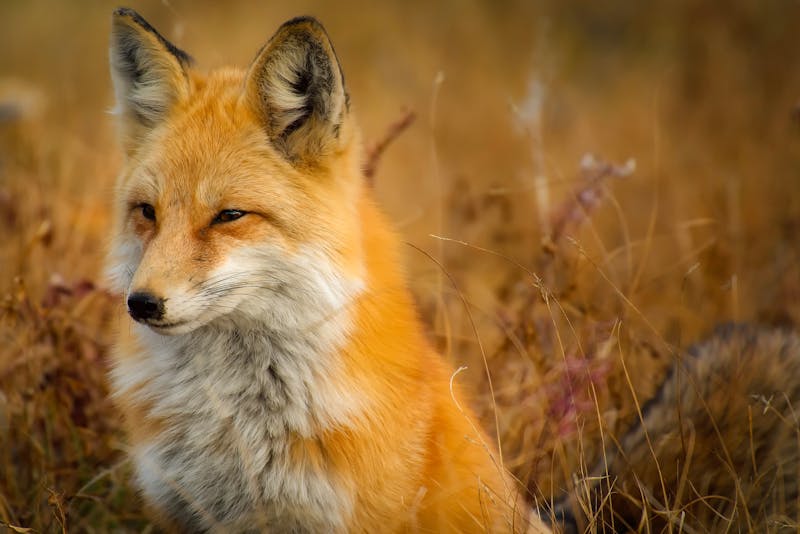
Foxes are the classic poultry predator. Red foxes (Vulpes vulpes) are found in every U.S. state except Hawaii. They are intelligent, persistent, and primarily nocturnal.
- Primary targets: Chickens, ducks, turkeys, eggs, young lambs, and pigs
- Attack pattern: Typically raid at night, taking one bird per visit. May cache (bury) extra kills for later. Entry is often through dug tunnels under fencing or through gaps in coop walls.
- USDA data: Foxes accounted for 317 sheep deaths (0.5% of predator-caused sheep losses in 2014)
- LGD effectiveness: EXCELLENT — A single LGD virtually eliminates fox predation. Foxes are intelligent enough to recognize and avoid LGD territories entirely.
Bobcats
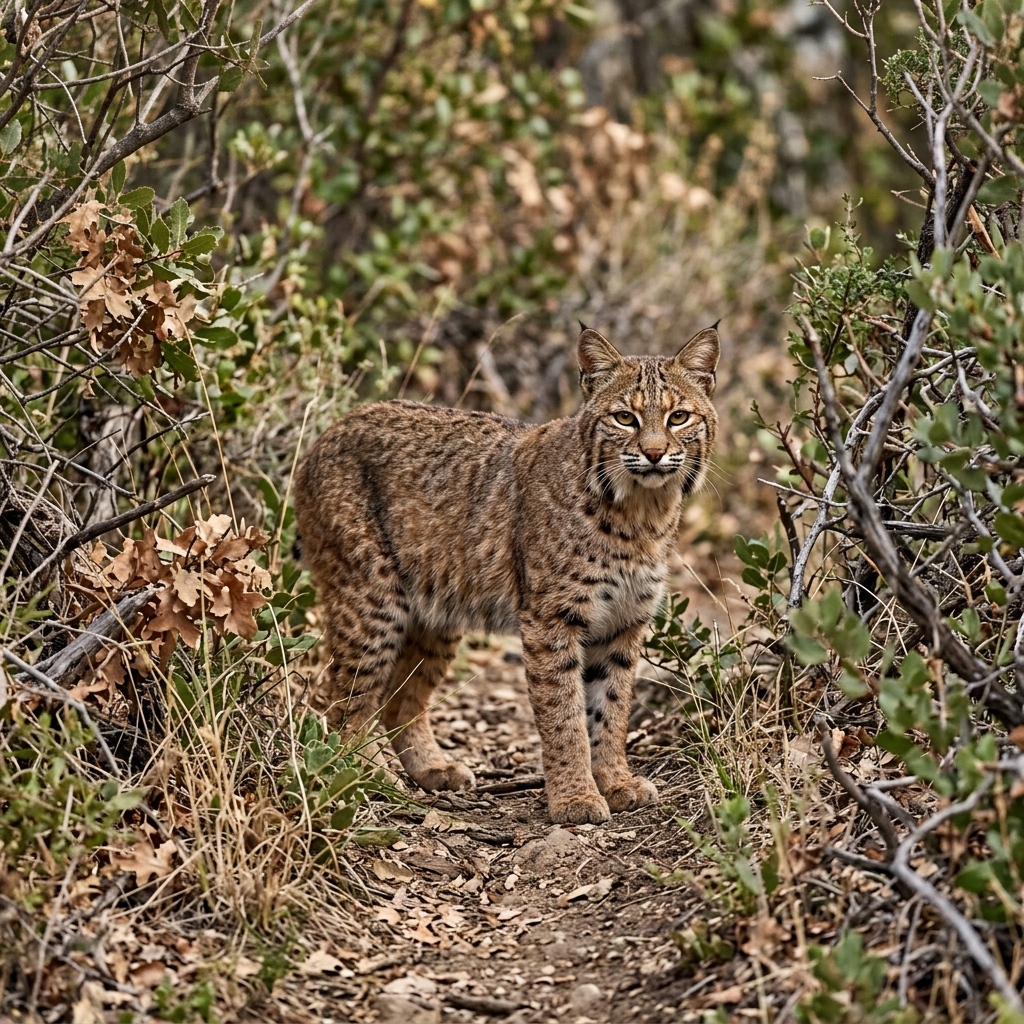
Bobcats (Lynx rufus) are widespread across the continental U.S. They prey on sheep, lambs, goats, and poultry. Their attacks are characterized by a leap onto the shoulders/back with a neck or trachea bite.
- Primary targets: Lambs, kid goats, poultry, rabbits
- Kill sign: Clean bite wounds on the neck/trachea. Carcass may be partially covered with leaves or grass. Feeding on the chest and shoulder area is typical.
- USDA data: Bobcats/lynx killed 3,736 sheep (2.8% of predator-caused losses in 2014)
- LGD effectiveness: EXCELLENT — Bobcats are solitary and risk-averse. An LGD is a decisive deterrent. Bobcats will quickly learn to avoid guarded areas.
Raccoons
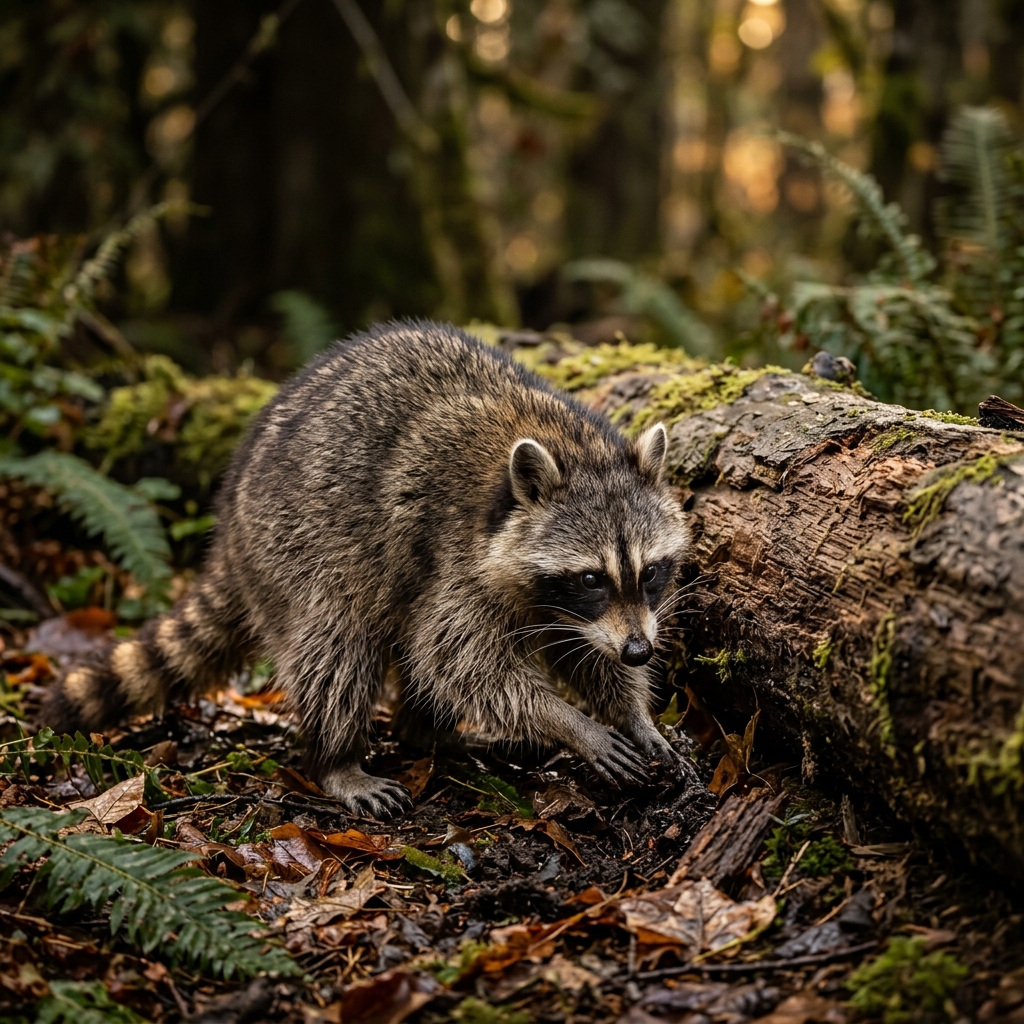
Raccoons are the bane of backyard chicken keepers. Their dexterous paws can open latches, pull wire, and reach through fencing to grab birds.
- Primary targets: Chickens (often eaten through wire fencing), eggs, young poultry, feed
- Kill sign: Birds pulled partially through fence gaps, heads missing (eaten through wire), eggs shells crushed and mashed at the nest
- Disease risk: Raccoons carry rabies, roundworm (Baylisascaris), and distemper. Keep LGD vaccinations current.
- LGD effectiveness: GOOD — LGDs deter raccoons from approaching the coop area, but raccoons are clever climbers and may access coops via routes dogs cannot reach. Hardware cloth (not chicken wire) is essential.
Weasels & Mink

Weasels and mink are the most devastating small predators by kill-to-bodyweight ratio. A single weasel can kill an entire coop of chickens in one night — they kill in a frenzy, biting through the skull or neck of every bird they can reach.
- Primary targets: Chickens, chicks, ducks, rabbits, eggs
- Kill sign: Multiple dead birds with small puncture wounds on the head/neck. Minimal consumption. Blood drinking is common.
- Entry: Can fit through gaps as small as 1 inch. Standard chicken wire does NOT stop them. Use ½-inch hardware cloth for all coop openings.
- LGD effectiveness: LIMITED — LGDs cannot physically stop an animal that fits through 1-inch gaps. Coop construction is your primary defense. The LGD deters approach to the area but cannot guard against entry through tiny openings.
Opossums
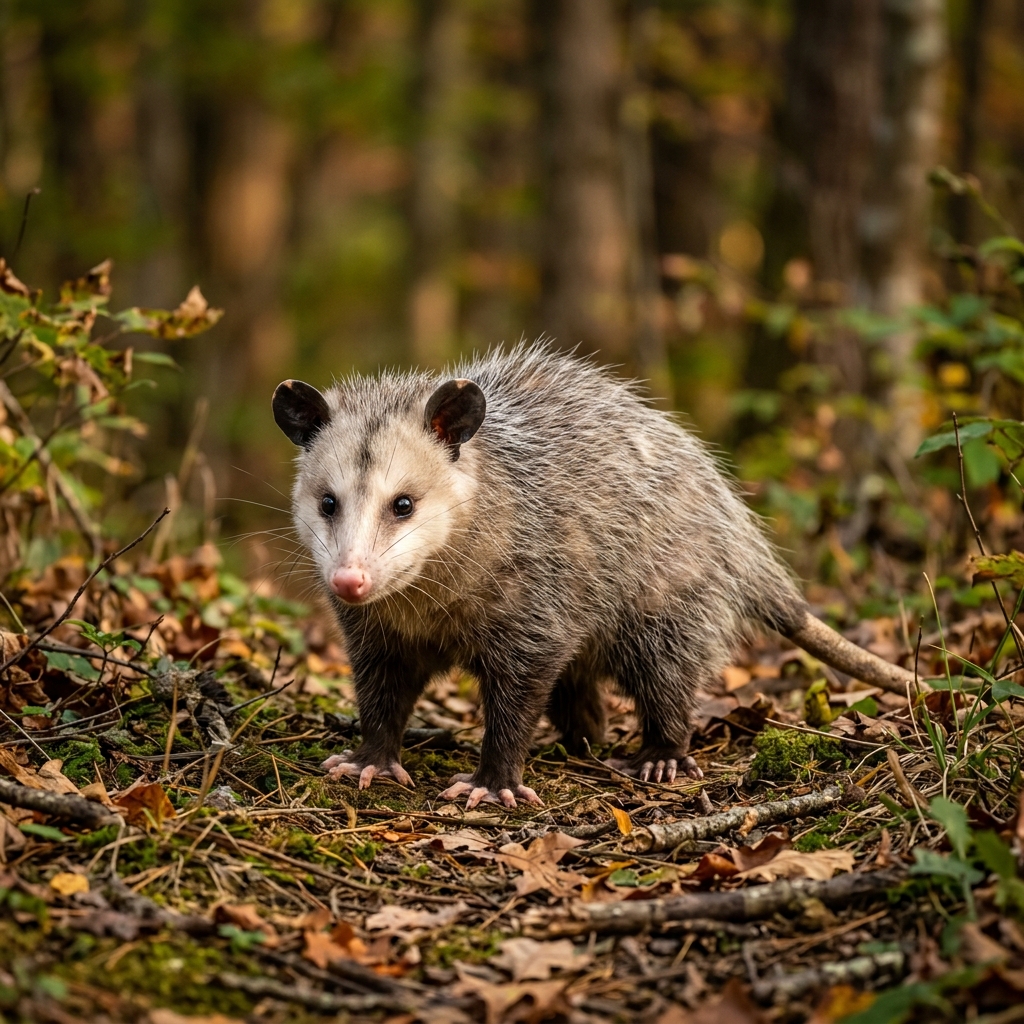
Virginia opossums are opportunistic nest raiders. They primarily steal eggs and kill young chicks but can also kill adult chickens.
- Primary targets: Eggs, chicks, adult poultry (rare)
- Kill sign: Eggs consumed at the nest site with crushed/chewed shells, wet feathers on attacked birds. Rarely consume the entire bird.
- Behavior: Nocturnal, slow-moving, poor climbers compared to raccoons but persistent. “Playing dead” can fool inexperienced dogs.
- LGD effectiveness: EXCELLENT — Opossums are easily deterred by LGD presence. They are slow and non-aggressive.
Predator Kill Identification Guide
Knowing which predator hit your flock helps you choose the right response:
| Predator | Kill Sign | Time | Entry Method |
|---|---|---|---|
| Fox | Missing bird, feather trail away from coop | Night/dawn | Dug under fence, gaps in walls |
| Bobcat | Neck bite, partially covered carcass | Dusk/night | Climbed fence, ambush in brush |
| Raccoon | Head/crop eaten, pulled through wire | Night | Opened latches, reached through wire |
| Weasel/Mink | Multiple dead, small neck punctures, blood | Night | Through 1-inch gaps |
| Opossum | Eggs crushed at nest, chicks missing | Night | Through gaps, slow approach |
| Owl | Head missing, breast plucked clean nearby | Pre-dawn | Through open coop door/window |
| Hawk | Feather pile in open area, breast eaten | Daytime | Dive from perch, open-air attack |
Coop Security Essentials
Against small predators, coop construction is more important than LGDs:
- Hardware cloth everywhere: Replace chicken wire with ½-inch hardware cloth on all openings. Chicken wire keeps chickens in but does NOT keep predators out.
- Buried apron: Bury 12–18 inches of hardware cloth or welded wire horizontally outward from the coop base to prevent digging under.
- Predator-proof latches: Use carabiner clips or padlocks. Raccoons can open simple hook-and-eye or slide-bolt latches.
- Close at dusk: Lock the coop before dark. The vast majority of small predator attacks happen at night.
- LGD patrol zone: Keep the coop within the LGD’s active patrol area. Dogs that can see and smell the coop area provide continuous deterrent reinforcement.
Hygnstrom, S. E., et al. (1994). Prevention and Control of Wildlife Damage. University of Nebraska Cooperative Extension.
USDA APHIS. (2015). Sheep and lamb predator death losses, 2015. National Agricultural Statistics Service.
Green, J. S., & Woodruff, R. A. (1988). Breed comparisons and characteristics of use of livestock guarding dogs. Journal of Range Management, 41(3), 249–251.
Dolbeer, R. A., et al. (1994). Identification and control of wildlife damage. In Research and Management Techniques for Wildlife.
Pearson, E. W., & Caroline, M. (1981). Predator control in relation to livestock losses in central Texas. Journal of Range Management, 34(6), 435–441.