Key Takeaways

  • Outdoor Exposure: Working LGDs face year-round exposure to environmental toxins — rodenticides, herbicides, and algal blooms — that companion dogs rarely encounter.
  • Secondary Poisoning: LGDs are at high risk of secondary anticoagulant rodenticide poisoning from consuming poisoned rodents or carcasses in agricultural environments.
  • Heat & Cold Extremes: Giant breed dogs have reduced thermoregulatory efficiency; outdoor working dogs require reliable shelter, shade, and unfrozen water access year-round.
Note: Working dog data is continuously evolving. The information below reflects our most current genetic and field research, but individual breed tendencies may vary.
Emergency: Many environmental hazards require immediate veterinary intervention. Know the signs and have an emergency plan.

Wildlife Interactions & Trauma

Venomous Snake Bites
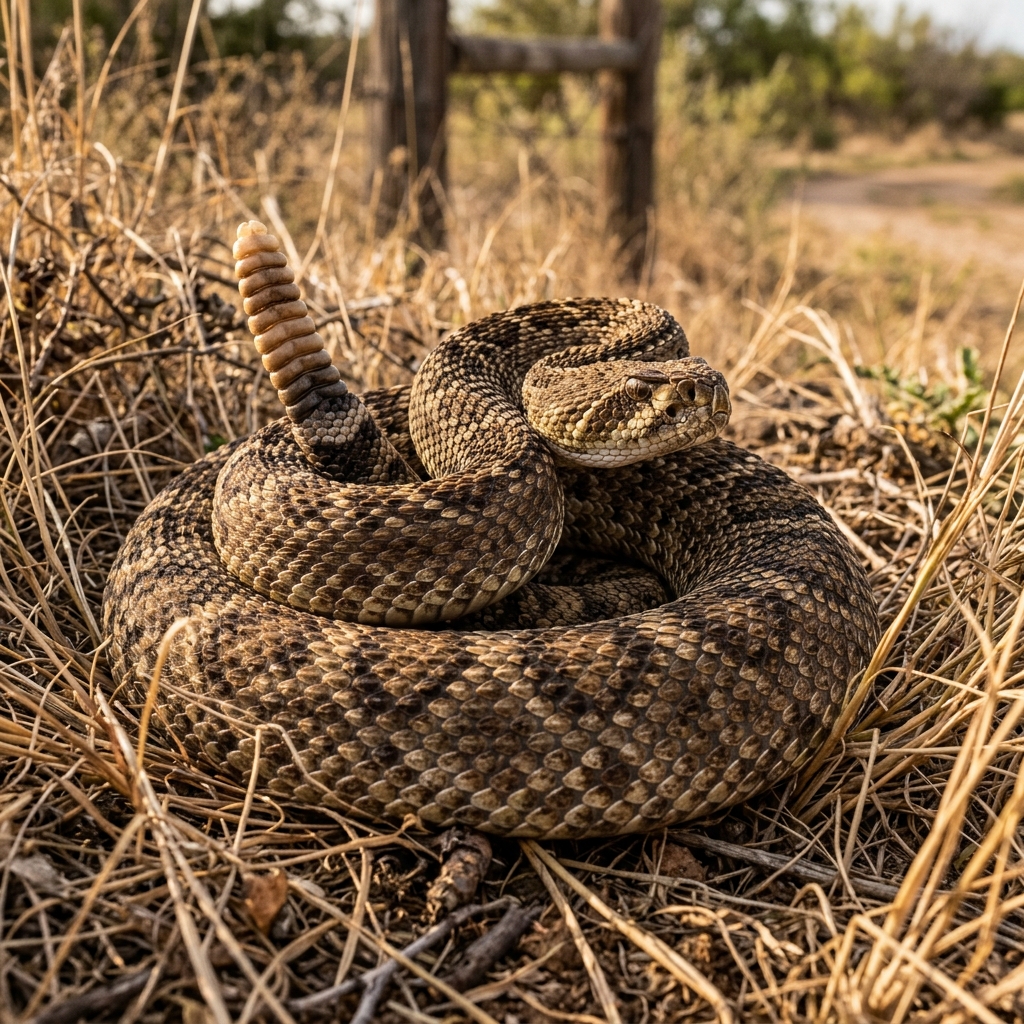
Coiled Rattlesnake
Crotalus species (Rattlesnake)
Simulated Clinical Image
Onset: Minutes to Hours Hyperacute Emergency

Vector/Risk: Rattlesnakes, Copperheads, Water Moccasins.

Hallmark signs: Sudden, profound swelling, extreme localized pain, and progressive tissue necrosis. Frequently on face, snout, or front legs.
Snakebite Emergency Considerations: Snakebite emergencies require immediate veterinary guidance, and the dog should be moved as little as safely possible while urgent care is arranged. DO NOT cut the bite or attempt to suck out venom. Seek immediate veterinary care for antivenin.

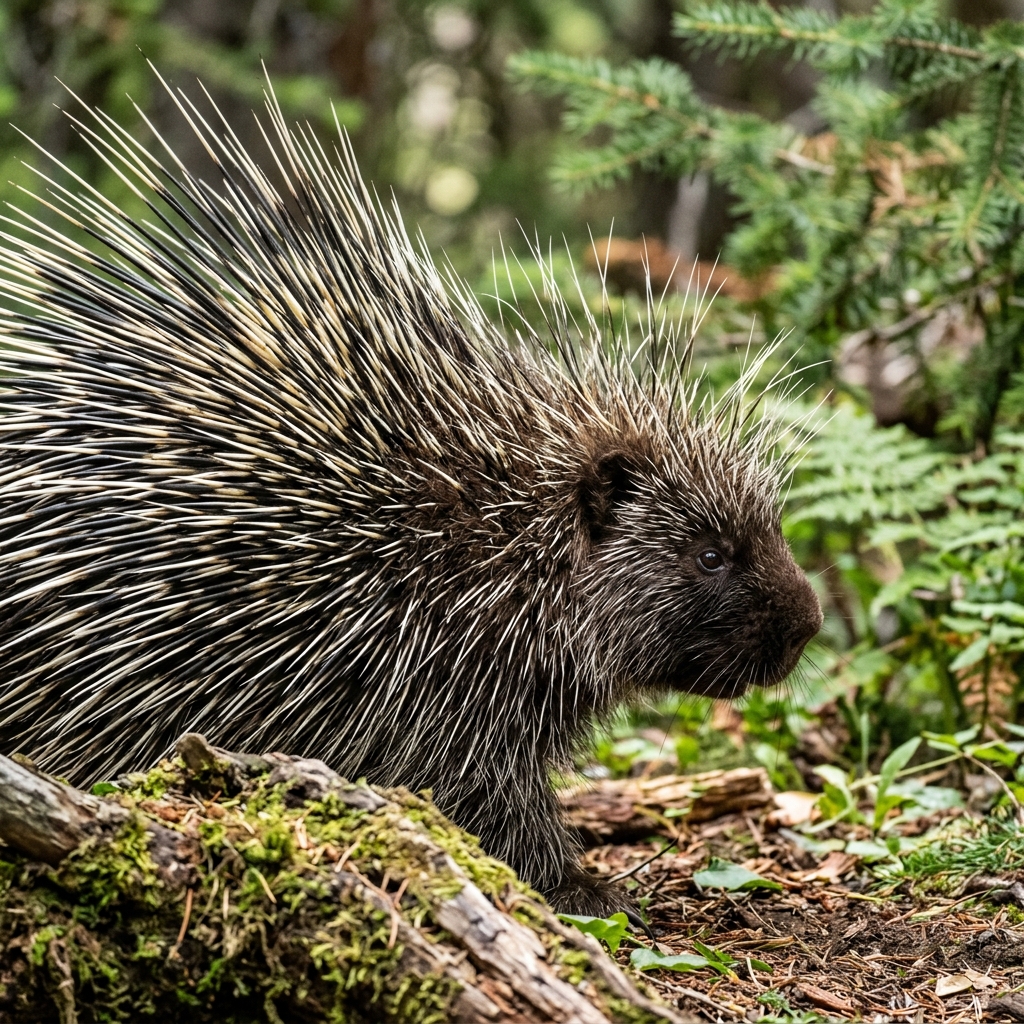
Porcupine Quills

Porcupine Quills
Microscopic barbs embed deeply
Simulated Clinical Image
Onset: Immediate Acute Veterinary Need

Medical Reality: Porcupine quills are covered in microscopic, backward-facing barbs. They embed deeply into the snout, mouth, and throat.

Hallmark signs: Visual quills, pawing at face, drooling, distress.
Vet Tx: Veterinary removal under heavy sedation. Do not cut quills; cutting causes them to splinter.

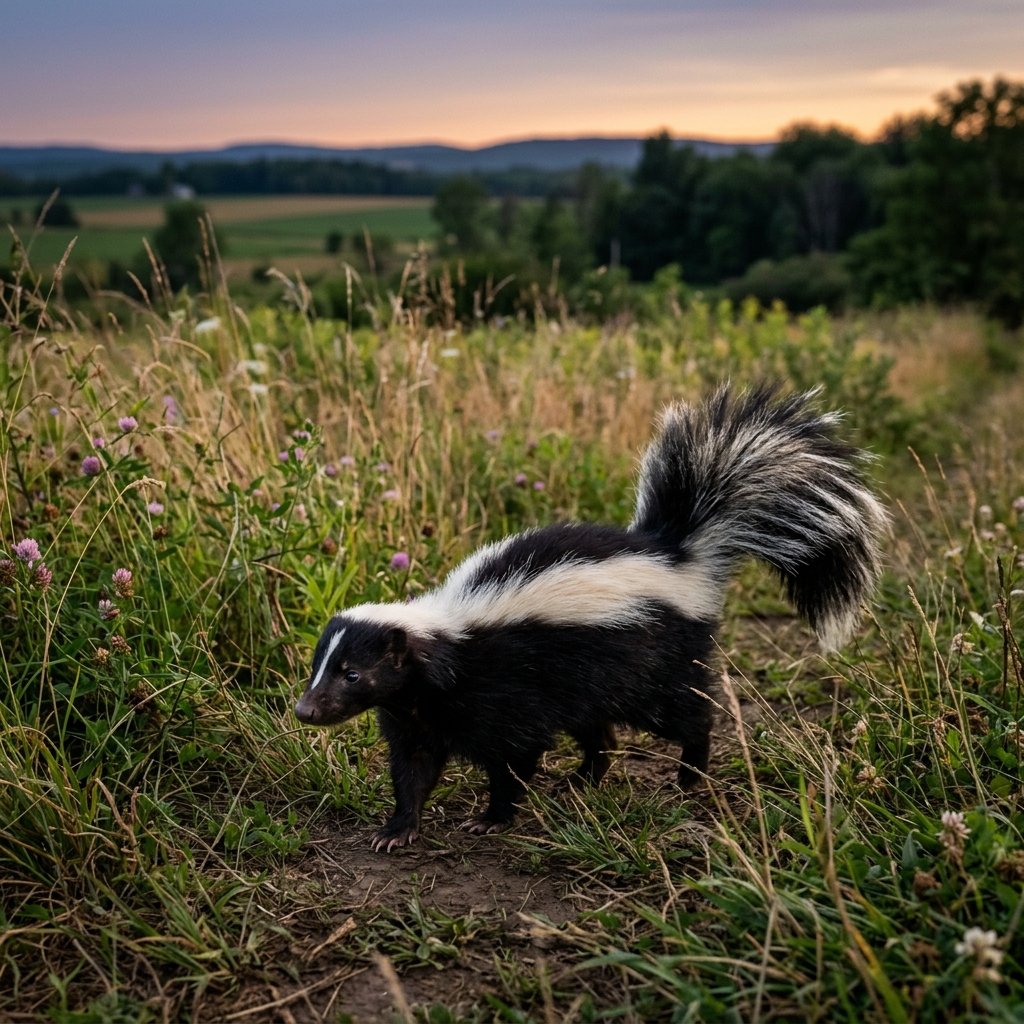
Skunk Spray

Skunk in Field
Skunk encounters are common at dusk
Simulated Clinical Image
Onset: Immediate Low Urgency
Hallmark signs: Temporary blindness, severe ocular irritation, respiratory distress, strong odor.
Immediate Action: Do not hose down with water first. Use an immediate neutralizing wash consisting of 1 quart 3% hydrogen peroxide, 1/4 cup baking soda, and 1 teaspoon of dish soap.

Toxic Plants

Pastures and rural boundaries often harbor plants that are toxic to dogs if chewed or ingested.

  • Common offenders: Sago palm, oleander, azalea, ryegrass (staggers), water hemlock, and poison hemlock.
  • Risk: While most LGDs don't graze, puppies and bored dogs may chew on toxic plants.
  • Action: Identify toxic plants on your property and remove them from dog-accessible areas. Contact your vet immediately if ingestion is suspected.

Pasture Toxicity

Onset: Varies Acute Emergency

Common offenders: Sago palm, oleander, azalea, ryegrass (staggers), water hemlock, and poison hemlock.

Hallmark signs: Vomiting, diarrhea, seizures, cardiovascular or respiratory failure, depending on plant type.
Action: Identify toxic plants on your property and remove them from dog-accessible areas. Contact your vet immediately if ingestion is suspected.

Carcass Consumption

Many LGDs will naturally investigate or eat deceased wildlife or livestock they find on their territory.

  • Risks: Tapeworms, severe bacterial infections, botulism, and secondary poisoning (if the animal was killed by poison).
  • Signs of botulism: Progressive weakness, difficulty swallowing, paralysis, and respiratory failure.
  • Prevention: Patrol pastures and remove carcasses promptly. Maintain regular tapeworm treatments for dogs with access to carcasses.

Biological Contamination

Onset: Hours to Days Acute

Risks: Tapeworms, severe bacterial infections, botulism, and secondary poisoning (if the animal was killed by poison).

Signs of botulism: Progressive weakness, difficulty swallowing, paralysis, and respiratory failure.
Prevention & Tx: Patrol pastures and remove carcasses promptly. Maintain regular praziquantel for tapeworms. Veterinary supportive care for botulism or toxicoses.

Contaminated Water

Water-Borne Pathogens & Toxins
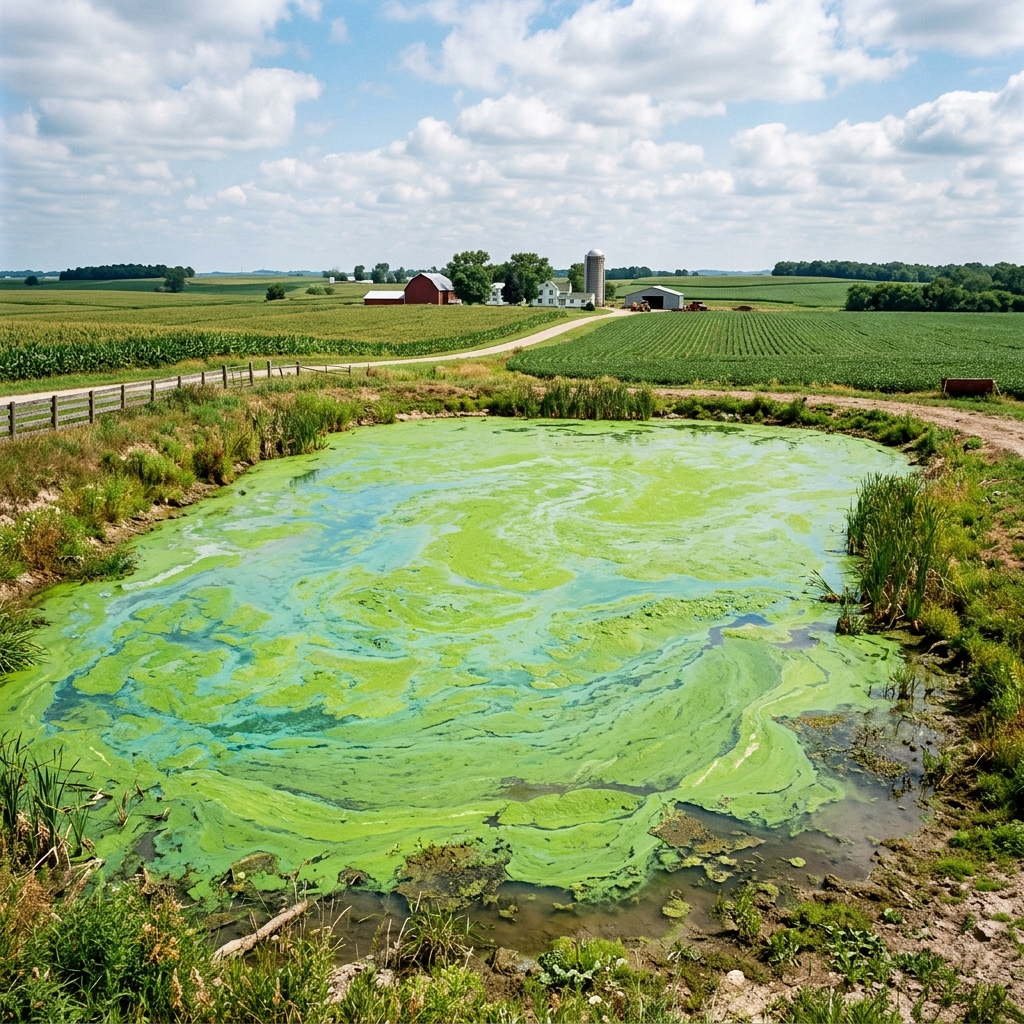
Blue-Green Algae Bloom
Cyanobacteria bloom in stagnant water
Simulated Clinical Image
Onset: Minutes to Weeks High Urgency

Common threats:

  • Blue-green algae (Cyanobacteria): Rapidly fatal; common in stagnant ponds during hot summer months.
  • Leptospirosis: Bacterial disease spread through wildlife urine; can cause kidney/liver failure.
  • Giardia: Common in streams and stagnant ponds; cause persistent diarrhea.
Algae Toxicity Signs: Rapid onset vomiting, diarrhea, seizures, and liver failure. True emergency.
Prevention: Provide multiple clean water sources. Fence off stagnant ponds. Antibiotic therapies may be used for leptospirosis or giardia.

Farm Accidents & Occupational Hazards

LGDs operate in industrial agricultural environments. While diseases grab headlines, mechanical trauma and farm accidents are the leading causes of acute emergency vet visits.

Lacerations & Fence Cuts
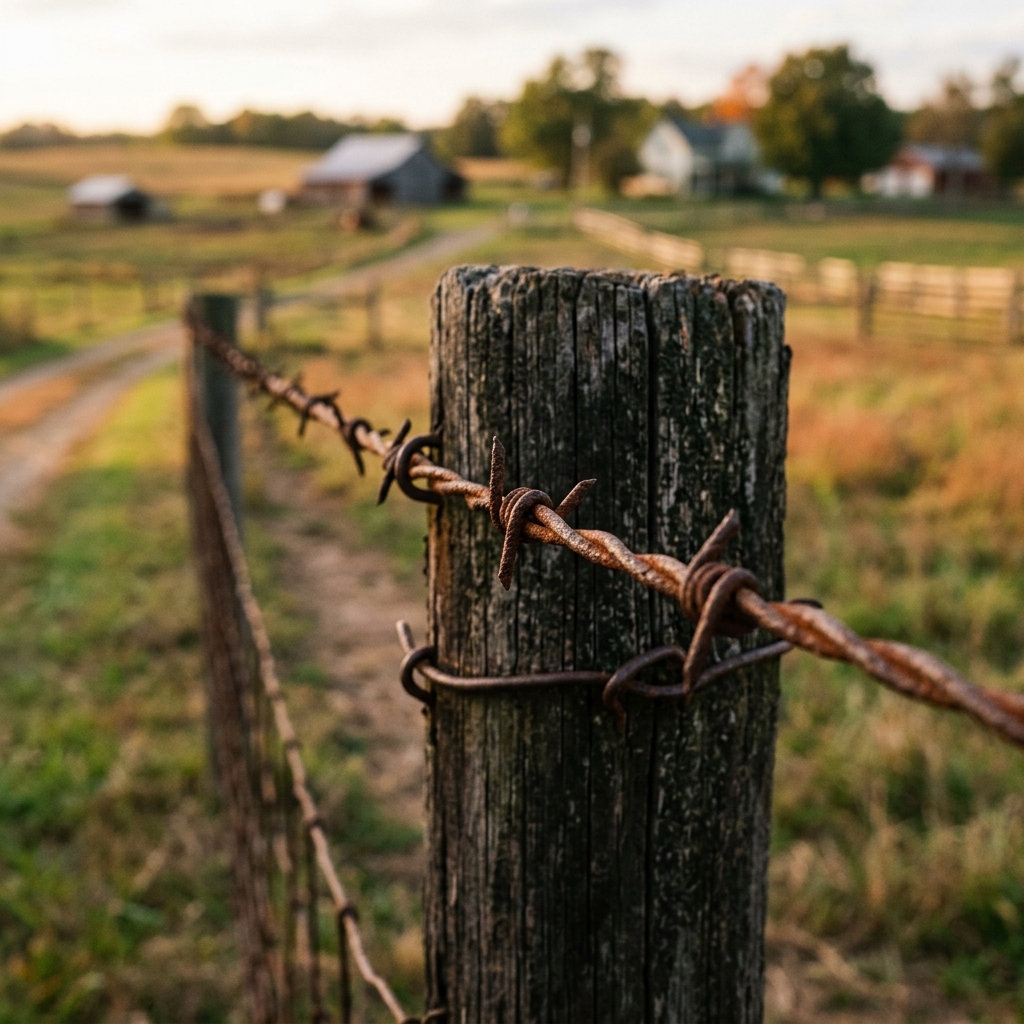
Barbed Wire Fence
Rusty wire poses severe tetanus risk
Simulated Clinical Image
Onset: Immediate Acute Trauma

Working dogs regularly suffer deep lacerations from jumping over barbed wire, tearing through woven page wire, or stepping on sharp farm debris.

Field Triage: For heavy bleeding, apply immediate, direct pressure with a clean farm towel or pressure wrap. Do not use a tourniquet. Transport immediately.

Infection Warning: Even minor, non-bleeding wire tears require thorough flushing and commonly antibiotics, as farm rust and manure introduce severe tetanus and sepsis risks.

Orthopedic Trauma (Slips, Falls, and Tears)

LGDs are massive, heavy dogs. When sprinting across icy pastures, slipping on wet barn concrete, or jumping out of lifted pickup truck beds, they sustain massive shock to their joints.

  • Cruciate Ligament (CCL) Tears: The most common severe orthopedic injury. Often occurs when the dog pivots sharply in the mud while chasing a predator. The dog will suddenly become "three-legged lame." This typically requires extensive surgery (TPLO) and months of strict confinement.
  • Prevention: Using stairs, ramps, or controlled unloading from truck beds can help reduce joint and impact stress for heavy LGDs, especially on hard ground.

Crush Injuries & Vehicle Equipment

LGDs love to sleep in the cool shade underneath tractors, stock trailers, and ATVs. When a farmer turns the key and moves the equipment without checking, horrific crush injuries or amputations occur.

The "Walk Around" Rule: Make it an absolute farm policy to walk a complete 360-degree circle around all heavy equipment and trucks before starting the engine. Train your LGDs from puppyhood that farm equipment is to be avoided.
Last updated: May 2026
About the Author
Written by Jesika VanFossenLGD breed consultant with 28 years of hands-on livestock guardian dog experience, 30+ years of animal husbandry, and founder of , the longest-running registered Turkish Boz Shepherd breeding program in the United States. Trained by Turkish dog experts, Jesika directs a network of breed-specific research platforms including Guardians.dog, Database.dog, and TurkishBoz.com, and maintains an active network of procurement specialists, along with veterinary, behavioral, and breed professionals for expert referral.

Disclaimer: Health & Veterinary Disclaimer: This content is for general educational purposes only and is not veterinary, medical, diagnostic, treatment, dosage, or emergency advice. Dog health needs vary by individual animal, breed, age, condition, medication history, pregnancy status, environment, and veterinary care. Always consult a licensed veterinarian or qualified animal health professional before making health, medication, nutrition, breeding, or emergency-care decisions.

Health & Veterinary Disclaimer: This page is for educational purposes only and is not a substitute for veterinary care. LGD breeds and giant-breed dogs may have special health risks, medication sensitivities, and emergency-care needs. This content does not diagnose, treat, prescribe, or replace guidance from a licensed veterinarian. If your dog may be sick, injured, poisoned, or in distress, contact a veterinarian, emergency clinic, or poison-control resource right away.