EMERGENCY: If your animal is in immediate danger or showing signs of distress, contact your veterinarian or nearest emergency animal hospital FIRST. The information below is for educational reference only. Guardians.dog and its representatives do not provide veterinary care.
Disclaimer: This is general educational information, not veterinary advice.
Parasite prevention and management should be discussed with a veterinarian.
Key Takeaways
Farm Dog Burden: Working dogs in agricultural settings carry significantly higher intestinal parasite loads than companion dogs due to continuous environmental reinfection from soil, water, and prey animals.
Heartworm Geography: Heartworm prevalence varies dramatically by U.S. region; outdoor LGDs in the Southeast and Mississippi River Valley face the highest transmission risk. In high-risk regions, year-round parasite prevention planning may be appropriate and should be discussed with a veterinarian.
Zoonotic Risk: LGDs shedding parasites like Toxocara canis and Giardia into pastures create zoonotic transmission pathways to livestock and farm workers.
Note: Working dog data is continuously evolving. The information below reflects our most current genetic and field research, but individual breed tendencies may vary.
\n\n
Common Internal Parasites (High Baseline Risk)
Field studies consistently show that working farm dogs face massive exposure compared to companion pets. Recent clinical surveys indicate up to 40% fecal-positivity in working farm dogs, with helminth eggs detected on 72.6% of active farms. In high-pressure parasite environments, occasional or as-needed parasite management may be insufficient; routine prevention planning should be discussed with a veterinarian.
MDR1 / ABCB1 Mutation Quick-Check: Many LGD crosses contain herding breed genetics (e.g., Australian Shepherds, Border Collies). A 4-bp deletion in the ABCB1 gene makes these dogs extremely susceptible to toxicosis from P-glycoprotein substrate drugs—most notably macrocyclic lactones (like Ivermectin).
While manufacturer-recommended doses of FDA-approved heartworm preventives are generally safe even in mutant/mutant dogs, extra-label or high-volume macrocyclic lactone use without prior genetic testing can result in severe neurological toxicity or death. Always confirm LGD crossbreed genetics before administering high-volume farm dewormers.
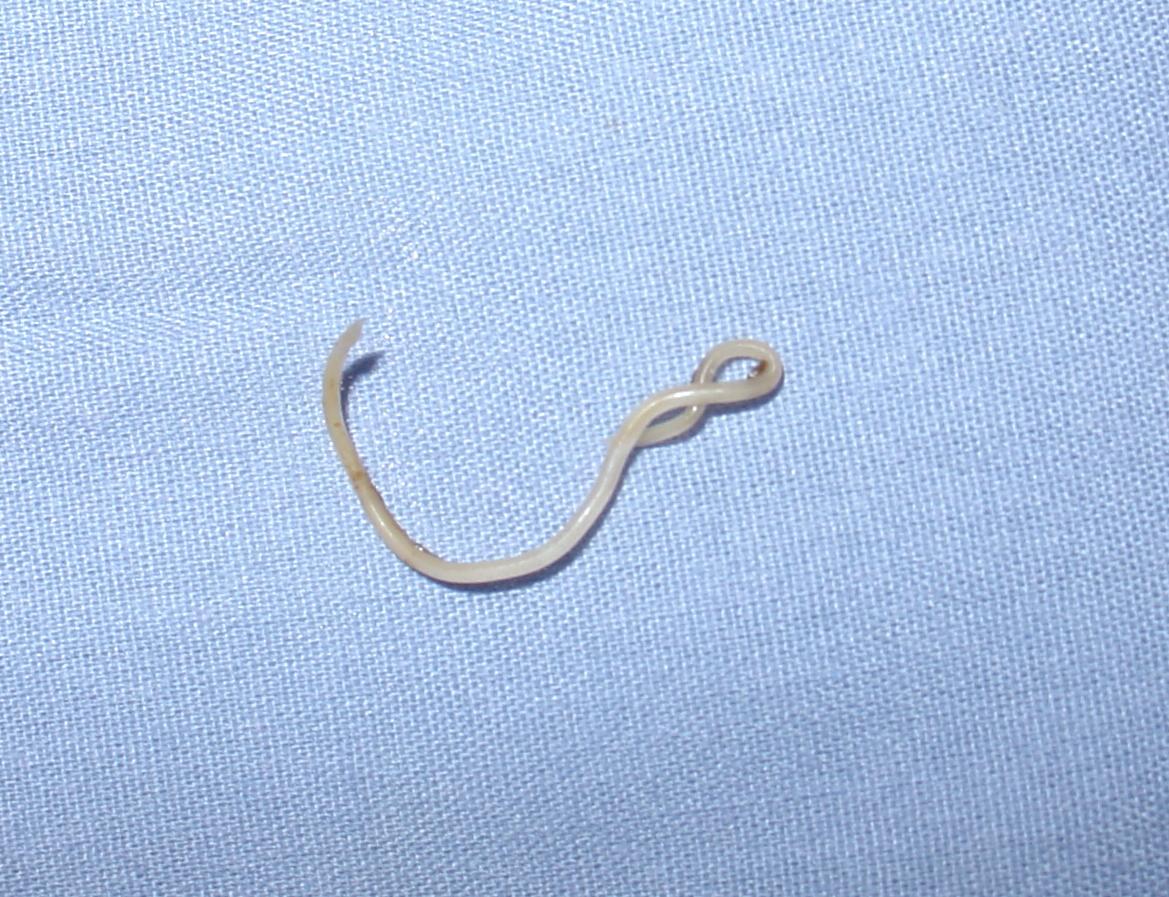
Transmission: Ingesting eggs from contaminated soil, infected prey, or mother's milk. Highly prevalent in agricultural environments.
Symptoms & Progression:
Visual Signs: Pot-bellied appearance (especially in puppies), poor coat quality, chronic vomiting, or visible "spaghetti-like" worms in vomit or stool.
Zoonotic Risk: Very high. Can cause Visceral Larva Migrans (VLM) or Ocular Larva Migrans (OLM) in humans (especially children) who come into contact with contaminated soil or dog feces.
Internal parasite concerns should be reviewed with a veterinarian, who can help determine an appropriate prevention or management plan based on the dog’s risk factors.
Diagnosed via fecal flotation. Parasite management should be guided by a veterinarian based on the specific parasite, exposure history, region, and the dog’s individual risk factors.
Hookworms (Ancylostoma caninum) ZOONOTIC THREAT
Transmission: Larvae penetrate the skin (often through the feet) or are ingested from contaminated soil. They thrive in warm, moist dirt or muddy barnyards.
Symptoms & Progression:
Clinical Signs: Severe anemia (pale gums), dark/tarry "melena" stool (digested blood), weight loss, and extreme weakness.
Zoonotic Risk: Can cause Cutaneous Larva Migrans (CLM) in humans, creating severely itchy, migrating skin tracts.
Internal parasite concerns should be reviewed with a veterinarian, who can help determine an appropriate prevention or management plan based on the dog’s risk factors.
Diagnosed via fecal flotation. Treated aggressively with fenbendazole or pyrantel pamoate. Severe puppy infections require emergency blood transfusions.
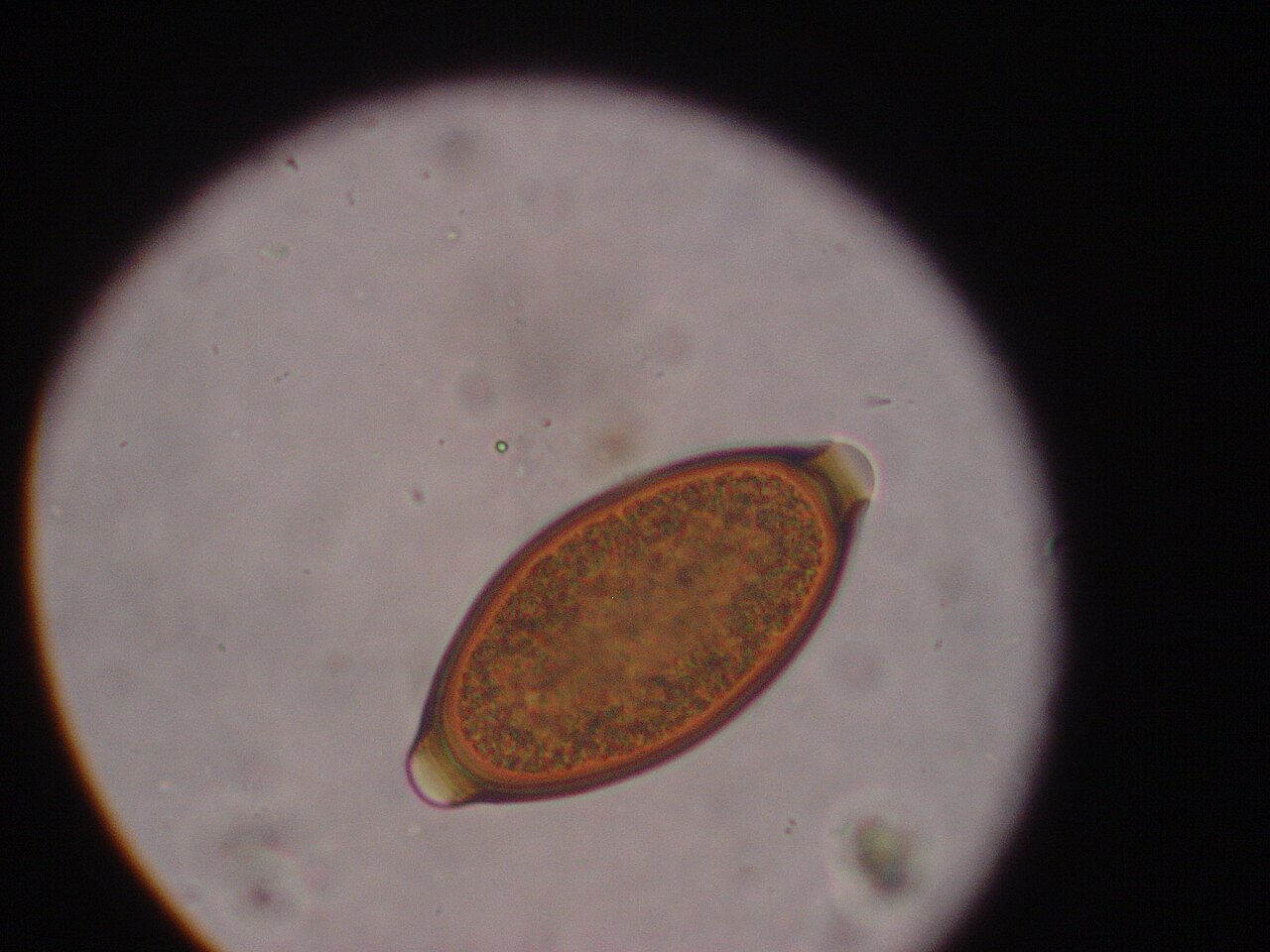
Whipworms (Trichuris vulpis)
Trichuris vulpis (Microscopic Egg) Source: Public Domain
Transmission: Ingesting eggs from contaminated soil. Whipworm eggs are incredibly resilient and can survive for years in pasture soil, making them very difficult to eliminate.
Symptoms & Progression:
Clinical Signs: Mucoid, bloody diarrhea, extreme weight loss, and poor body condition; symptoms are often intermittent and chronic.
Internal parasite concerns should be reviewed with a veterinarian, who can help determine an appropriate prevention or management plan based on the dog’s risk factors.
Treated effectively with fenbendazole (Panacur) over a 3-day course, repeated after 3 weeks.
Transmission: Ingesting fleas (Dipylidium caninum) or infected prey/livestock carcasses (Taenia spp. and Echinococcus granulosus).
Symptoms & Progression:
Flea Tapeworms: Visible, rice-like segments in the stool or around the anus.
Hydatid Tapeworms: Microscopic and show no visible signs in the dog's stool, making them a silent threat.
Agricultural Risk (Hydatid Disease):Echinococcus granulosus creates a direct dog-sheep-human transmission cycle. Dogs become infected by eating cysts in raw sheep offal/carcasses.
Internal parasite concerns should be reviewed with a veterinarian, who can help determine an appropriate prevention or management plan based on the dog’s risk factors.
Standard monthly heartworm preventatives DO NOT cover tapeworms. Dogs with
carcass or prey access may benefit from parasite-control planning with a veterinarian, especially when tapeworm exposure is a concern. Clinical
field trials have demonstrated that a strict 6-weekly dosing regimen (based on the prepatent period of the parasite)
is required to successfully interrupt the transmission cycle to sentinel lambs in endemic sheep regions.
Heartworm (Dirofilaria immitis)
Full Heartworm Profile Available
Because Heartworm is transmitted by mosquitoes, we have filed the complete clinical protocol, maps, and vector details in our Vector-Borne Diseases hub.
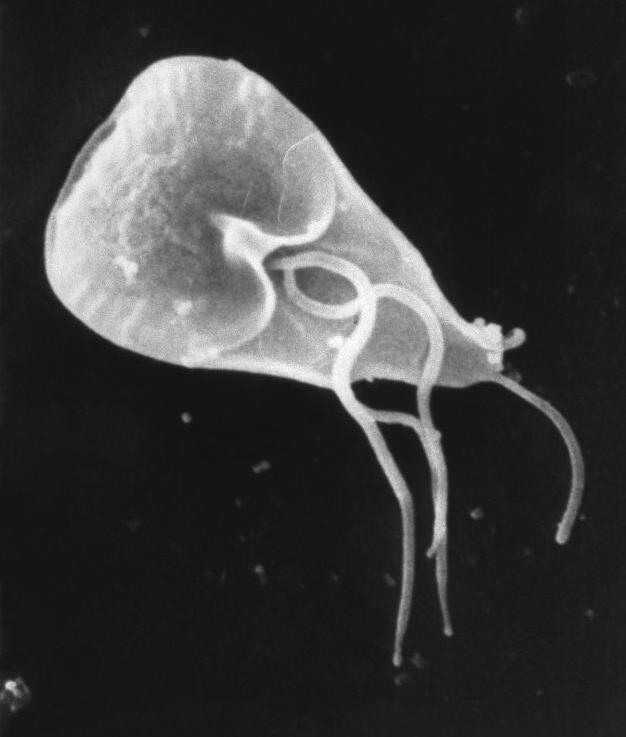
Transmission: Ingesting contaminated water from ponds, muddy troughs, or feces in the pasture.
Symptoms & Progression:
Clinical Signs: Explosive, watery, or mucoid diarrhea (often very foul-smelling); symptoms can be intermittent. Puppies are particularly vulnerable to dehydration.
Internal parasite concerns should be reviewed with a veterinarian, who can help determine an appropriate prevention or management plan based on the dog’s risk factors.
Giardia is zoonotic (can infect humans). Diagnosis via fecal ELISA or flotation. Internal parasite concerns may require veterinarian-directed prescription parasite control, depending on the severity of infection and the dog’s individual risk factors.
About the Author
Written by Jesika VanFossen — LGD breed consultant with 28 years of hands-on livestock guardian dog experience, 30+ years of animal husbandry, and founder of URMAH LC, the longest-running registered Turkish Boz Shepherd breeding program in the United States. Trained by Turkish dog experts, Jesika directs a network of breed-specific research platforms including Guardians.dog, Database.dog, and TurkishBoz.com, and maintains an active network of procurement specialists, along with veterinary, behavioral, and breed professionals for expert referral.
Companion Animal Parasite Council (CAPC). (2024).General Guidelines for the Management and Control of Intestinal Parasites in Dogs. CAPC Vet Guidelines.
Bowman, D. D. (2014).Georgis' Parasitology for Veterinarians. 10th Ed. Elsevier Saunders.
CDC / NIOSH. (2020).Zoonotic Hookworm and Roundworm Infections. National Institute for Occupational Safety and Health.
Eckert, J., & Deplazes, P. (2004).Biological, epidemiological, and clinical aspects of echinococcosis, a zoonosis of increasing concern. Clinical Microbiology Reviews.
Last updated: May 2026
Health & Veterinary Disclaimer: This page is for educational purposes only and is not a substitute for veterinary care. LGD breeds and giant-breed dogs may have special health risks, medication sensitivities, and emergency-care needs. This content does not diagnose, treat, prescribe, or replace guidance from a licensed veterinarian. If your dog may be sick, injured, poisoned, or in distress, contact a veterinarian, emergency clinic, or poison-control resource right away.