Key Takeaways
- Tick-Borne Disease Burden: Working LGDs in outdoor environments face dramatically higher tick exposure than companion dogs, increasing risk of Lyme disease, ehrlichiosis, anaplasmosis, and Rocky Mountain spotted fever.
- Coat Complexity: Heavy double coats common in guardian breeds make visual tick detection difficult; systematic grooming and preventive parasite management are essential for early intervention.
- Medication Sensitivity: Some LGD breeds carry the MDR1/ABCB1 gene mutation affecting drug metabolism; flea and tick product selection should account for breed-specific pharmacogenomic risk.
Ticks & High-Burden Exposure
Ticks are a primary occupational hazard for LGDs. Because they operate at the pasture-edge and wildlife-interface, LGDs experience dramatically higher tick burdens than companion pets. Clinical field studies document that up to 73.9% of rural working dogs are actively infested with ectoparasites, with multiple species often infesting the same dog simultaneously.
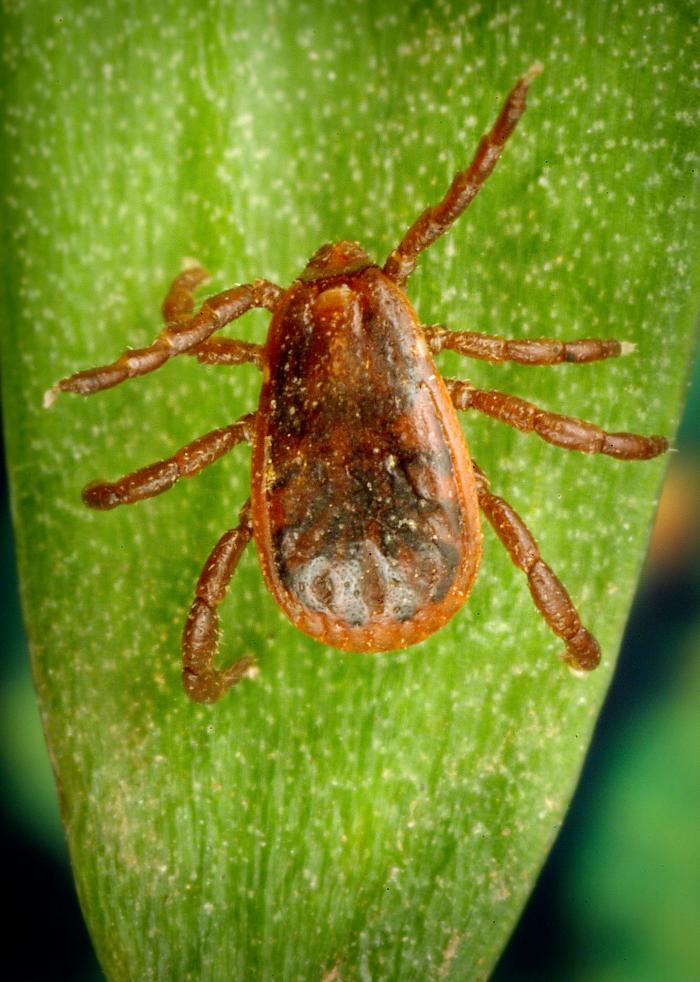
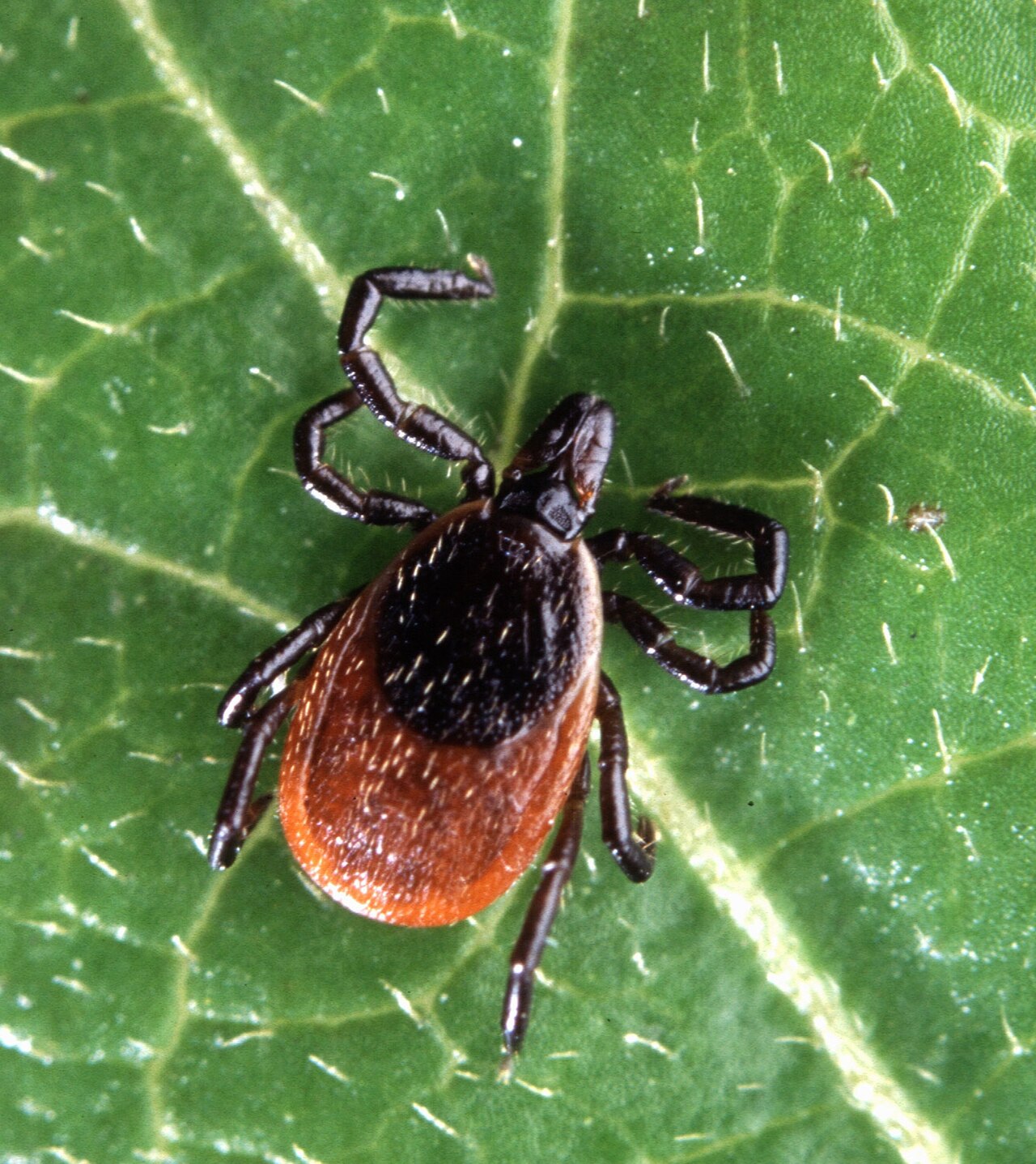
Tick Prevention Protocols
Consistent parasite prevention, chosen with veterinary guidance, can greatly reduce an LGD’s risk of serious tick-borne illness.
- Oral Preventatives (Isoxazolines): Drugs like Sarolaner (Simparica), Fluralaner (Bravecto), and Afoxolaner (NexGard). Clinical field studies demonstrate rapid efficacy, achieving >99% tick reduction by day 14 and maintaining continuous control.
- Tick Collars: Flumethrin/Imidacloprid (Seresto) repels and kills ticks for up to 8 months. Highly practical for LGDs who cannot be handled monthly.
Tick-Borne Diseases
Rural LGDs are at high risk for tick-borne diseases due to their constant exposure to diverse environments.
| Disease | Signs | Veterinary-guided parasite control | Prognosis |
|---|---|---|---|
| Lyme Disease | Lameness (shifting), fever, lethargy, swollen joints | Antibiotics (doxycycline) | Early veterinary attention may help reduce the chance of chronic parasite-related skin or health issues |
| Anaplasmosis | Fever, lethargy, joint pain, low platelets | Antibiotics (doxycycline) | Early veterinary evaluation may improve management options before parasite-related issues become chronic |
| Ehrlichiosis | Fever, nosebleeds, bruising, weight loss, lethargy | Antibiotics (doxycycline) | Variable; chronic form can be serious |
| Rocky Mountain Spotted Fever | High fever, lethargy, joint pain, skin lesions | Antibiotics (doxycycline) | Good if treated early; can be fatal if delayed |
Annual "4Dx" testing (heartworm + tick-borne diseases) is highly recommended for dogs in tick-heavy areas.
Fleas & Amplification Risk
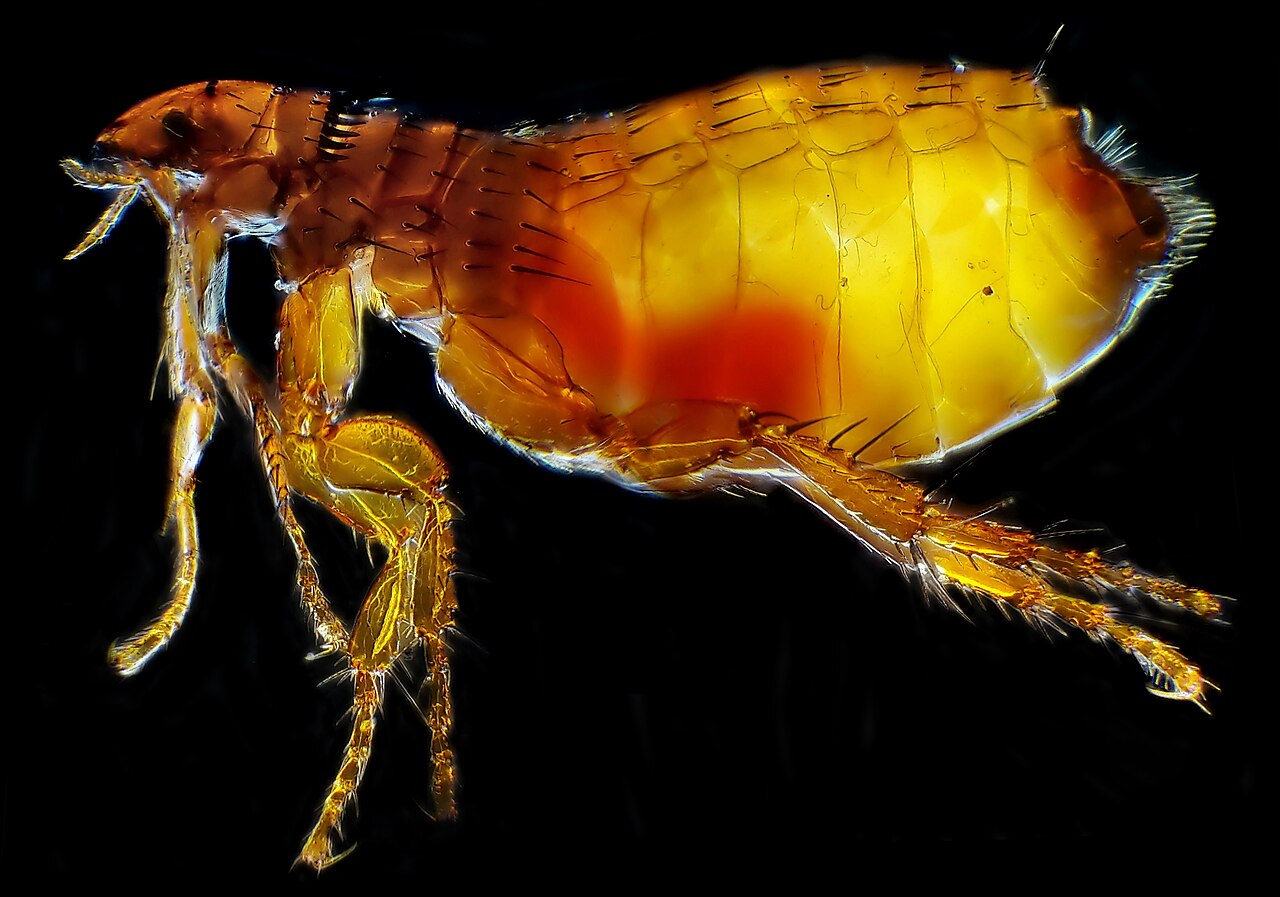
Rural environments serve to amplify flea pressure. Field studies document that fleas (primarily Ctenocephalides felis) are frequently part of "mixed infestations" alongside ticks on working dogs.
Mites: Sarcoptic vs. Demodectic Mange
Mange is a contagious skin disease characterized by crusty, pruritic dermatitis. For LGDs, it is critical to distinguish between the two primary types of mange, as their management and transmission dynamics are fundamentally different.
Sarcoptic Mange (Scabies)
- Cause: Sarcoptes scabiei mite (highly contagious).
- Transmission: Direct contact or indirect via fomites (shared bedding, grooming tools). High risk from wildlife reservoirs (foxes, raccoon dogs, coyotes).
- Signs: Intense, violent itching; crusty ear margins, elbows, and hocks.
- Zoonotic Risk: High. Will temporarily infect humans (causing severe rash) and rapidly spread to other farm dogs.
- Diagnosis: Difficult; skin scrapings are false-negative ~50% of the time. Suspected cases are commonly evaluated by a veterinarian using clinical signs, exposure history, and regional parasite risk.
Demodectic Mange (Red Mange)
- Cause: Demodex canis mite (normal skin inhabitant).
- Transmission: Not contagious to other dogs, humans, or livestock. Passed from mother to pup in the first days of life.
- Signs: Localized hair loss (often around eyes/muzzle), typically not itchy unless a secondary bacterial infection develops.
- Underlying Issue: Mite proliferation is triggered by an immature or compromised immune system. Generalized demodicosis in adults points to underlying illness or genetic immunodeficiency.
Biting Flies & Fly-Strike (Myiasis)
For a working dog living outdoors 24/7, biting flies—particularly stable flies, black flies, and horse flies—are a severe and constant nuisance. They swarm the dog and aggressively target areas with thinner hair, primarily the tips of the ears and the bridge of the nose.
- The Damage: These flies bite to drink blood, leaving pinpoint scabs. Over time, the tips of the dog's ears become raw, crusted, violently itchy, and bloody ("fly-bitten ears").
- Fly-Strike (Myiasis): If the wounds stay open and bloody, blowflies may lay eggs in the necrotic tissue. Within 24-48 hours, these hatch into maggots that physically eat the dog's flesh, leading to massive, life-threatening infection.
Research Briefing: Tick-Borne Dynamics
Ticks are the primary vectors for infectious diseases in the United States, responsible for approximately 95% of all reported vector-borne illnesses. The public health threat is escalating, marked by an expansion of key tick vectors and the recent discovery of new pathogens—40% of the 15 most significant disease agents have been identified within the last two decades.
I. Epidemiological Landscape in the U.S.
The expansion of tick populations is driven by complex factors including reforestation, rebounding white-tailed deer populations, and climate change. For example, the established range of the blacklegged tick (I. scapularis) more than doubled between 1996 and 2015.
| Disease | Primary Geographic Focus | Primary Tick Vector(s) |
|---|---|---|
| Lyme disease | Northeast, Upper Midwest (WI, MN) | I. scapularis, I. pacificus |
| Anaplasmosis | Northeast, Upper Midwest | I. scapularis, I. pacificus |
| Babesiosis | Northeast, Upper Midwest | I. scapularis |
| Ehrlichiosis | South-central and southeastern (AR, MO, OK, TN, VA) | A. americanum |
| RMSF | South-central/Southeast, and Arizona focus | Dermacentor spp., R. sanguineus |
| Tularemia | South-central states (AR, MO, OK) | A. americanum, Dermacentor spp. |
II. Molecular Drivers of Vector Competence
Vector competence—the inherent genetic ability to transmit a pathogen—is governed by complex molecular interactions at the tick-pathogen interface.
Survival Strategies
- Apoptosis Inhibition: Pathogens block programmed cell death to ensure replication.
- Cytoskeleton Remodeling: Pathogens rearrange tick cellular structures to aid entry and spread.
- Immune Evasion: Pathogens subvert tick immune pathways like RNA interference (RNAi).
Epigenetics & Fitness
- Epigenetic Control: Pathogens alter tick gene expression without changing DNA sequences.
- Fitness Enhancement: Some pathogens induce antifreeze proteins in ticks, improving their winter survival.
- Microbiome Role: Symbiotic bacteria can either block pathogens via competition or facilitate their colonization.
III. Prevention Challenges & Future Directions
Current prevention lacks human vaccines and relies heavily on personal diligence, which can be inconsistent. The fragmentation of landscape management also limits effectiveness compared to community-wide mosquito control programs.
A community-wide campaign targeting the brown dog tick primary host (domestic dogs) through long-acting collars, acaricide application, and spay/neuter programs significantly reduced human cases.
Future Molecular Strategies
- Anti-Tick Vaccines: Targeting proteins essential for tick feeding to reduce vector success.
- Transmission-Blocking Vaccines: Targeting pathogen proteins to block colonization within the tick.
- Microbiome Manipulation: Targeting essential symbionts to reduce tick populations or competence.
Sources & References
- Stromdahl, E. Y., and G. J. Hickling. "Beyond Lyme: Aetiology of Tick-borne Human Diseases with Emphasis on the South-Eastern United States." Zoonoses and Public Health 59, no. s2 (2012): 48–64.
- Madison-Antenucci, Susan, Laura D Kramer, Linda L Gebhardt, and Elizabeth Kauffman. Emerging Tick-Borne Diseases. n.d.
- Rowan, Sean, Nazleen Mohseni, Mariann Chang, et al. "From Tick to Test: A Comprehensive Review of Tick-Borne Disease Diagnostics and Surveillance Methods in the United States." Life 13, no. 10 (2023).
- Alkishe, Abdelghafar, et al. "Likely Geographic Distributional Shifts among Medically Important Tick Species... under Climate Change." Insects 12, no. 3 (2021).
- Foster, Erik, et al. "Prevalence of Five Human Pathogens in Host-Seeking Ixodes Scapularis... Generated through National Tick Surveillance." Ticks and Tick-Borne Diseases 14, no. 6 (2023).
- Sonenshine, Daniel. "Range Expansion of Tick Disease Vectors in North America: Implications for Spread of Tick-Borne Disease." Int. J. Environ. Res. Public Health 15, no. 3 (2018).
- Tiffin, Hannah S., et al. "Tick Control in a Connected World: Challenges, Solutions, and Public Policy." Tropical Medicine and Infectious Disease 7, no. 11 (2022).
- Eisen, Rebecca J, et al. "Tick-Borne Zoonoses in the United States: Persistent and Emerging Threats to Human Health." ILAR Journal 58, no. 3 (2017).
- De La Fuente, José, et al. "Tick-Pathogen Interactions and Vector Competence: Identification of Molecular Drivers." Frontiers in Cellular and Infection Microbiology 7 (2017).
- Saleh, Meriam N., et al. "Ticks Infesting Dogs and Cats in North America: Biology, Geographic Distribution, and Pathogen Transmission." Veterinary Parasitology 294 (2021).
- Nieto, Nathan C., et al. "Using Citizen Science to Describe the Prevalence and Distribution of Tick Bite and Exposure... in the United States." PLOS ONE 13, no. 7 (2018).