Because Livestock Guardian Dogs patrol rough terrain and brush 24/7, they encounter venomous snakes far more frequently than companion dogs. The vast majority of bites occur on the dog’s face/muzzle (from sniffing the snake) or the front legs (from stepping on or pawing the snake).
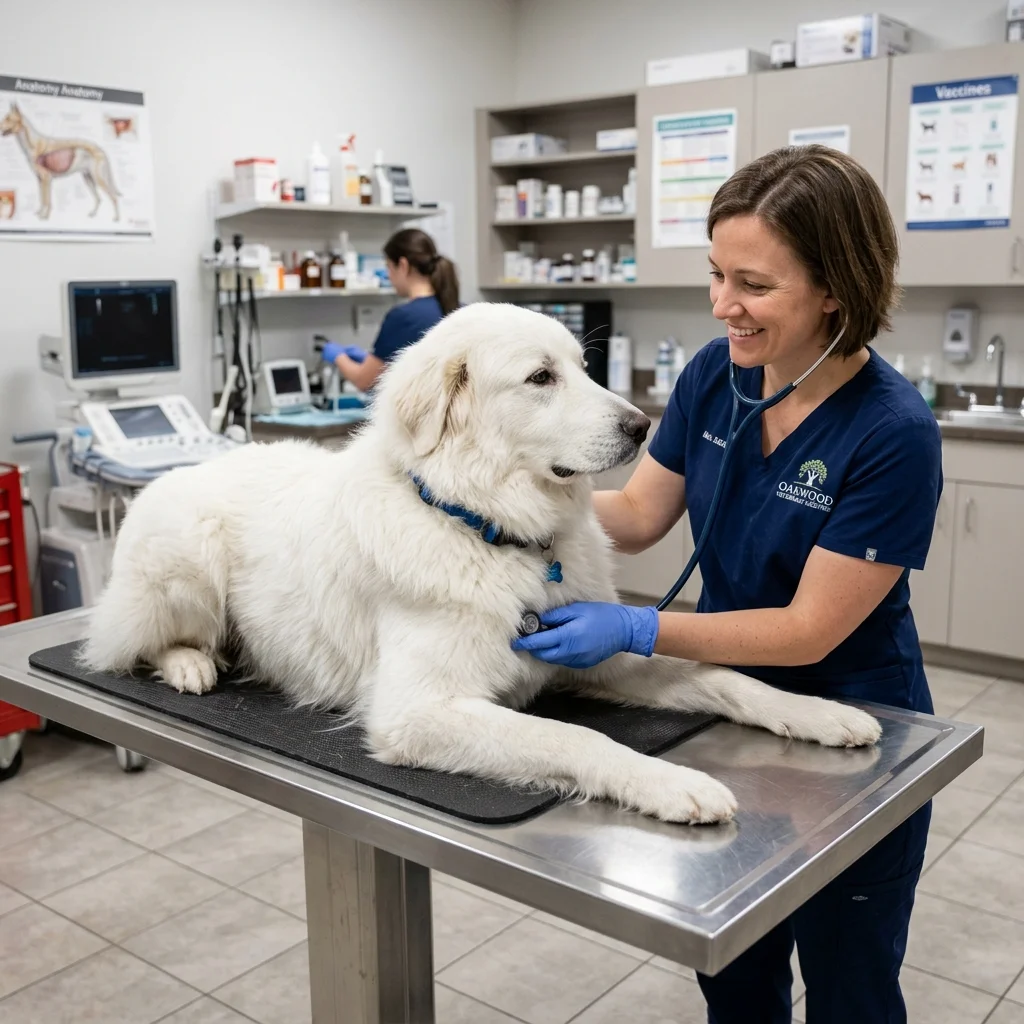
Venomous Snake Species by Region
Knowing which species are present in your area helps veterinarians determine the urgency of the situation and the appropriate course of action:
U.S. Pit Vipers (Family Crotalinae)
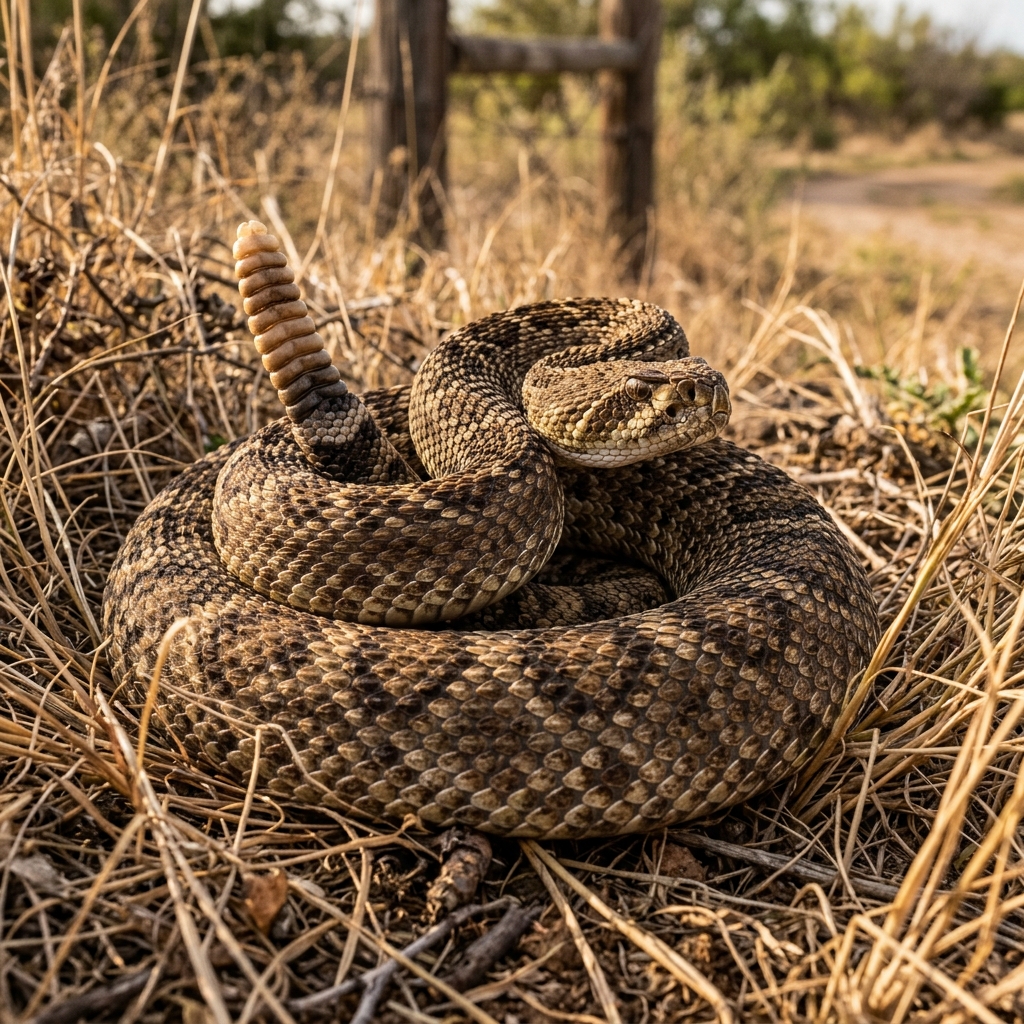
Simulated Clinical Image
- Rattlesnakes (30+ species): Present in all lower 48 states except Maine. Most dangerous.
- Copperheads (Agkistrodon contortrix): Eastern/Central U.S. Most common venomous snake bite in dogs.
- Cottonmouths/Water Moccasins (Agkistrodon piscivorus): Southeastern U.S. Semi-aquatic.
Coral Snakes (Family Elapidae)
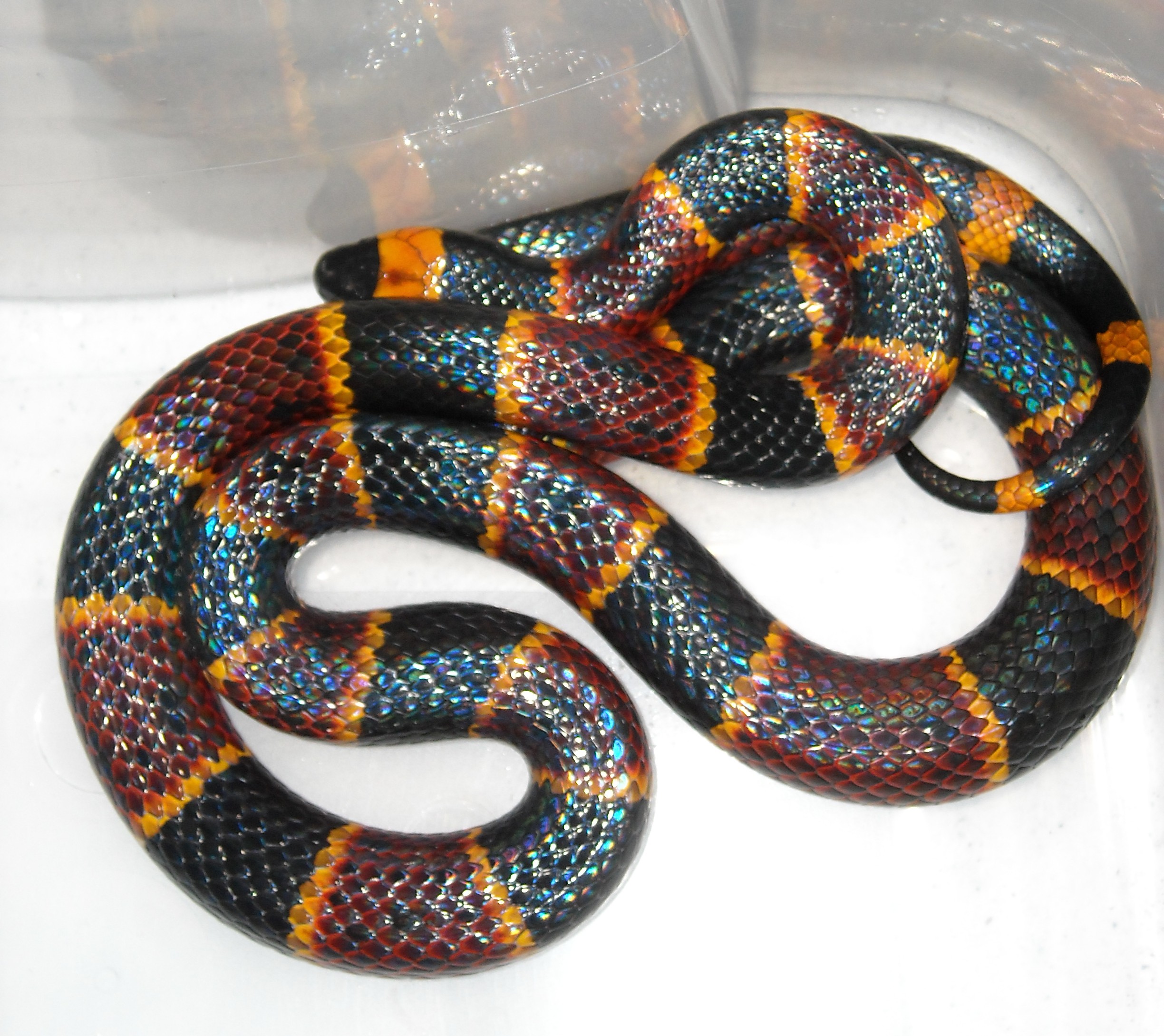
Source: Wikimedia Commons
Eastern Coral Snake (Micrurus fulvius) and Texas Coral Snake (M. tener). Neurotoxic venom (attacks the nervous system rather than tissue). Requires a different antivenin than pit vipers. Bites are rare because coral snakes are shy and have small mouths.
Symptoms of Envenomation
Pit viper venom contains enzymes that break down tissue (necrosis) and prevent blood from clotting (coagulopathy). Symptoms develop within minutes to hours:
- Massive Swelling: The bitten area will swell rapidly and dramatically. A bite to the muzzle can cause the dog’s entire head to swell to twice its size within hours.
- Bleeding: Because the venom destroys platelets, the puncture wounds will often ooze blood continuously. You may also see bleeding from the gums, nose, or in the urine.
- Extreme Pain: The dog will be highly sensitive to touch in the affected area and may vocalize or snap when approached.
- Tissue Necrosis: Within 24–72 hours, the tissue around the bite may darken, slough, and die—creating an open wound that requires weeks of management.
- Systemic Shock: Pale gums, rapid breathing, weak pulse, and collapse as blood pressure drops. This is the immediate life threat.
Note: “Dry bites” occur when a snake strikes but injects no venom. However, you can never assume a bite is dry. All bites must be treated as medical emergencies.
Field Triage: What to Do in the First 30 Minutes
- Keep the dog calm and still. Activity accelerates venom absorption. Carry the dog if possible; do not let it walk or run.
- Remove the collar if the bite is on the neck or face—swelling can make the collar into a tourniquet.
- Mark the swelling border with a pen or marker and note the time. This gives the vet critical data on how fast the venom is spreading.
- Do NOT: Cut the wound, apply ice, use a tourniquet, administer aspirin (increases bleeding), or try to catch/kill the snake.
- Photograph the snake if safely possible. Species identification helps the vet select the correct antivenin.
- Transport immediately to the nearest emergency veterinary clinic. Call ahead so they can prepare antivenin.
Snake-bite care should be handled by a veterinarian, who can assess the species involved, the dog’s symptoms, and whether antivenin or other emergency support is appropriate.
Snake-bite emergencies should be evaluated by a veterinarian, who can determine whether antivenin, monitoring, or other emergency support is appropriate.
How It Works
Antivenin binds to the venom proteins, stopping them from causing further tissue destruction and bleeding. It is administered intravenously (IV) at the veterinary clinic. Along with antivenin, the vet will provide IV fluids (to combat shock and support the kidneys) and heavy pain medication (typically opioids; NSAIDs are avoided due to bleeding risk).
Giant Breed Dosing
Antivenin dosing is based on the amount of venom injected, not the dog’s body weight. However, giant breed LGDs (100–180 lbs) present unique challenges:
- Their large muscle mass can “absorb” more venom locally, sometimes masking systemic spread
- IV fluid volumes must be calibrated for giant breeds to avoid fluid overload
- Recovery monitoring in giant breeds requires more frequent blood work (coagulation panels) because the larger blood volume can dilute clotting factors
The Cost Factor
Antivenin is extremely expensive. A single vial costs between $500 to $1,000+, and a large dog with severe envenomation may require multiple vials. Total emergency bills of $3,000–$10,000 are common. Because of the cost, some owners ask if dogs can survive without it. A healthy giant breed dog might survive a mild copperhead bite with only IV fluids and pain medication, but a rattlesnake bite without antivenin carries a high risk of fatal bleeding, kidney failure, or massive tissue necrosis requiring surgical debridement.
The “Rattlesnake Vaccine” Debate
A toxoid vaccine (Crotalus atrox) is commercially available, but it remains highly controversial within the veterinary community.
Clinical Consensus
The rattlesnake vaccine does not make a dog immune to snake bites. It is intended to create antibodies that might delay the onset of severe symptoms, theoretically buying more time to get to a vet. However, independent academic studies have struggled to prove that vaccinated dogs have better outcomes or require less antivenin than unvaccinated dogs. Furthermore, it only targets the Western Diamondback; it provides little to no cross-protection for Mojave rattlesnakes, Timber rattlesnakes, or Coral snakes.
The Verdict: Many working dog owners still choose to administer the vaccine for peace of mind, but it does not replace the need for emergency veterinary care and antivenin if a bite occurs. Owners in high rattlesnake-risk areas may want to discuss prevention options and emergency planning with their veterinarian before snake season.
Field Management & Prevention
While you cannot eliminate snakes from a farm, you can significantly reduce the risk:
- Habitat Control: Snakes follow rodents. Keep feed areas swept and grain stored in metal bins to reduce the rodent population that draws snakes to your property.
- Clear Brush: Keep grass mowed and brush cleared around the primary livestock barns where the dogs sleep. Snakes avoid open, exposed ground.
- Rock Pile Management: Rock piles, old lumber stacks, and debris piles are preferred snake habitat. Move these away from dog sleeping areas.
- Snake Avoidance Training: Some trainers offer specialized clinics using e-collars and defanged snakes to teach dogs to actively avoid the sound and scent of a rattlesnake. This is highly effective for working dogs and is the one of the most useful prevention investments.
- Seasonal Awareness: Snake activity peaks in spring (emergence from brumation) and fall (pre-brumation feeding surge). Be especially vigilant during warm evenings in these seasons.
- Night Patrols: Many venomous snakes are nocturnal or crepuscular. LGDs patrolling at dusk and dawn face the highest encounter rate.
Recovery & Return to Work
After a snake bite, ongoing veterinary monitoring may be needed because recovery depends on the species involved, venom load, symptoms, and the dog’s response to care.
- 48–72 hours of hospitalization for IV fluids and monitoring
- 7–14 days of restricted activity (no field work)
- 2–4 weeks for tissue necrosis wounds to heal (if present)
- Follow-up bloodwork at 48 hours and 1 week to confirm coagulation panels have normalized
Recovery after a snake bite depends on the species involved, venom exposure, timing of care, and the dog’s response, so ongoing veterinary monitoring may be needed. Dogs that survive one snake bite are not immune to future bites—in fact, some dogs seem to seek out snakes after recovery, making avoidance training even more critical.
Peterson, M. E. (2006). Snake Bite: Pit Vipers. Clinical Techniques in Small Animal Practice, 21(4), 174–182.
Armentano, R. A. & Schaer, M. (2011). Overview and Controversies in the Medical Management of Pit Viper Envenomation in the Dog. Journal of Veterinary Emergency and Critical Care.
McCown, J. L. et al. (2009). Effect of Crotalus atrox toxoid on rattlesnake venom neutralization in dogs. JAVMA.
USDA APHIS Wildlife Services. Wildlife Damage Management Technical Series: Venomous Snakes.
Coppinger, R. & Coppinger, L. (2001). Dogs: A Startling New Understanding of Canine Origin, Behavior & Evolution. Scribner.
Rigg, R. (2001). Livestock guarding dogs: their current use world wide. IUCN/SSC Canid Specialist Group.