The Caucasus
An evolutionary crucible of extreme elevation, punishing winters, and heavy apex predators that forged the ultimate wolf-crushing dogs.
A Fortress of Stone and Ice
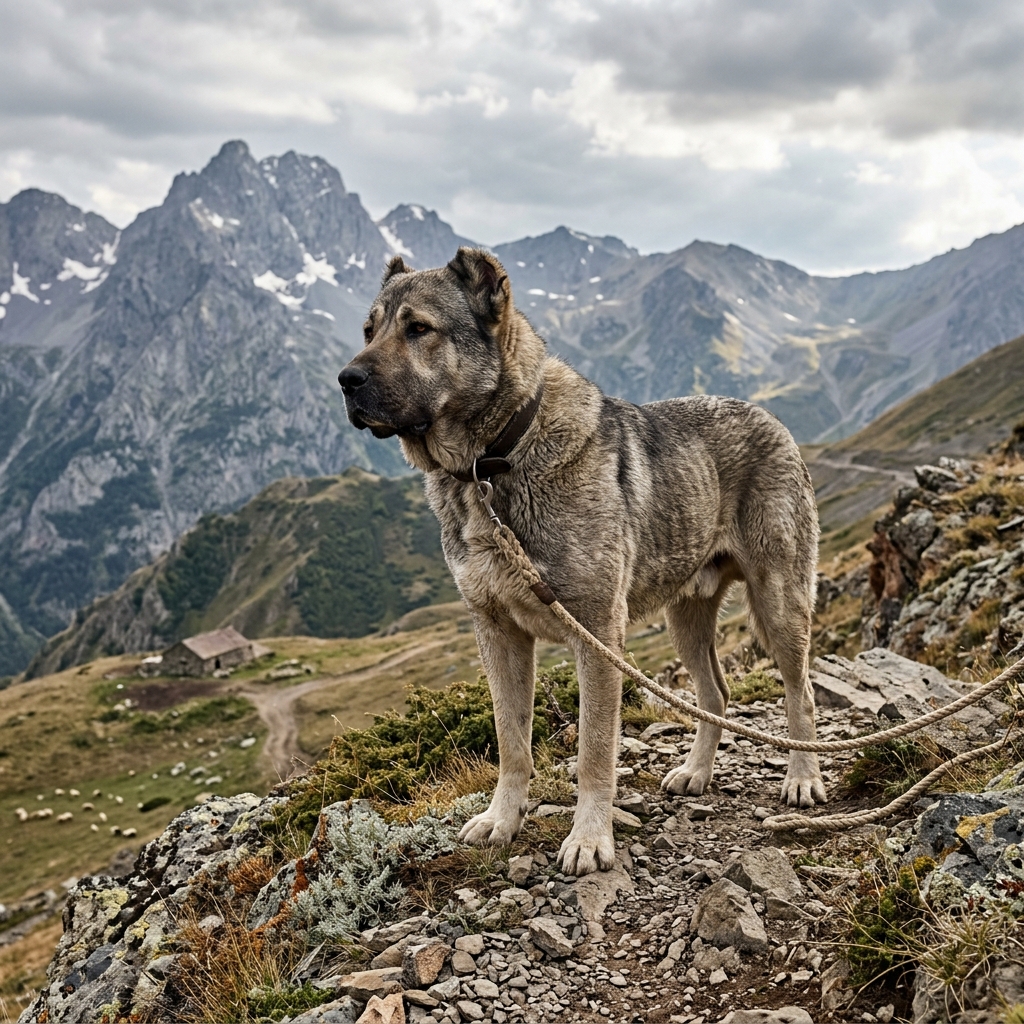
The Caucasus Mountains act as a massive geological wall intersecting Europe and Asia. Stretching between the Black Sea and the Caspian Sea, this region features some of the most punishing and rugged topography on Earth.
For millennia, pastoral shepherds have relied on transhumance—moving vast flocks of sheep from low-altitude winter pastures up to high-alpine summer meadows. This constant movement across extreme elevation gradients required working dogs with unmatched stamina, massive bone structure, and highly efficient double-coats capable of surviving blizzard conditions.
Geographical Data
- Elevation: Up to 18,510 ft (Mt. Elbrus)
- Climate: Subalpine to Alpine tundra
- Modern Nations: Georgia, Armenia, Azerbaijan, Southern Russia
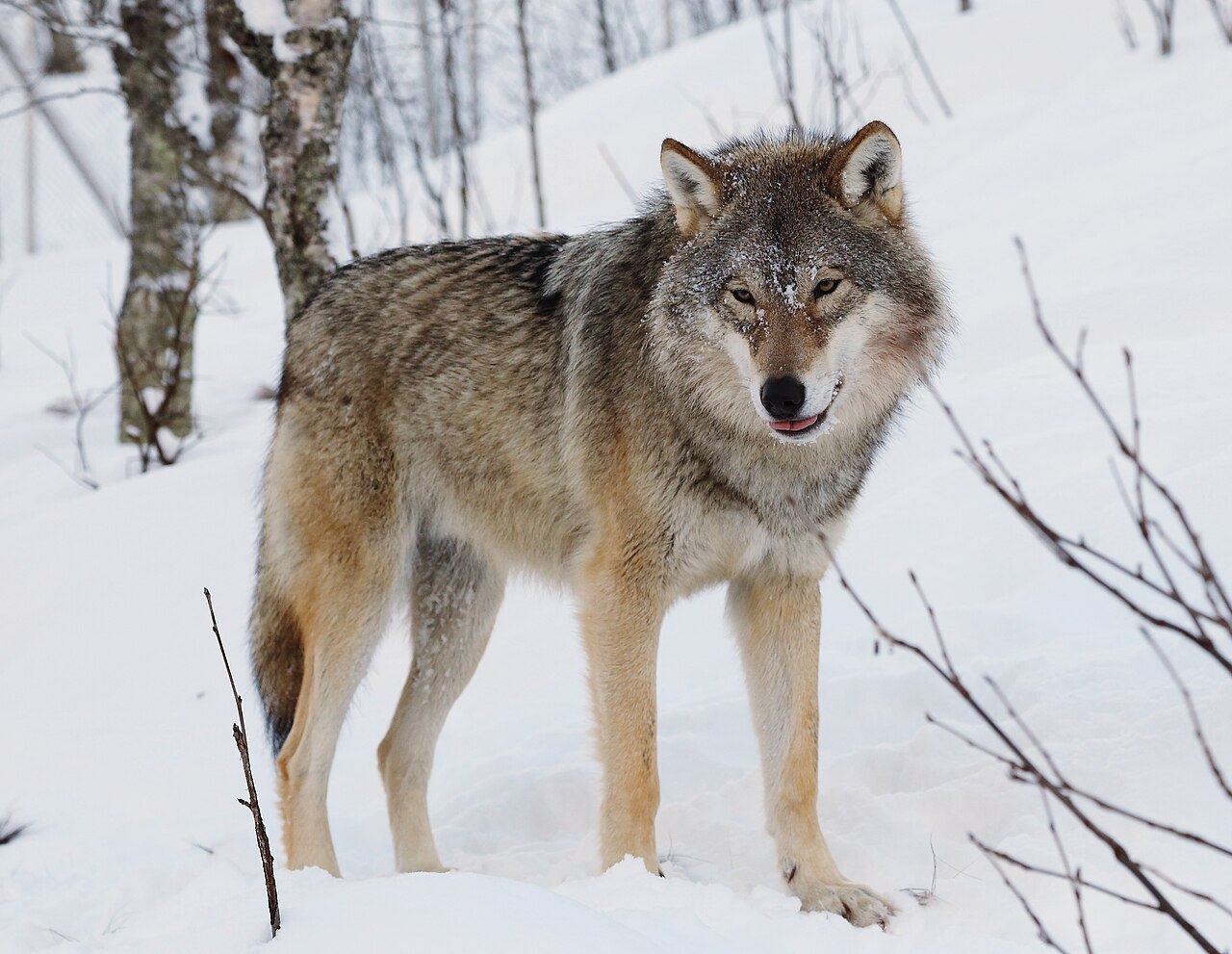
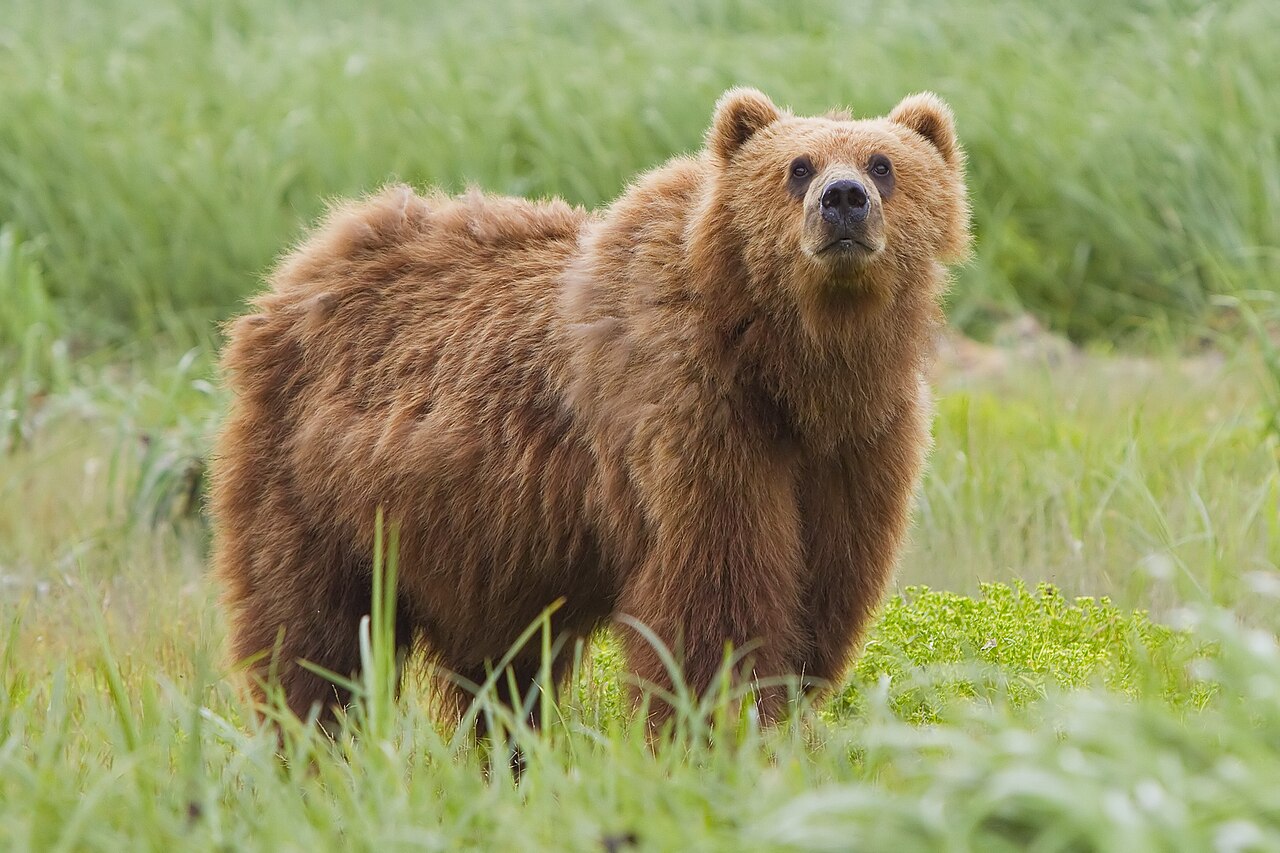
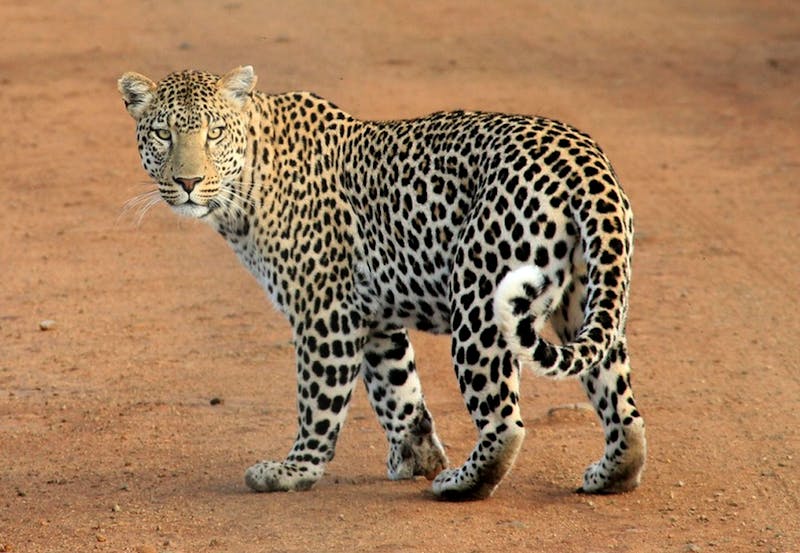
The Apex Predators
Endemic Diseases & Parasites
Tick-Borne Piroplasmosis
The lower elevations and dense valleys of the Caucasus harbor extreme tick populations carrying lethal piroplasmosis (Babesia). For centuries, dogs without natural resistance to these parasites perished before passing on their genetics. The surviving landrace dogs developed highly specialized immune responses to localized pathogens, a trait often lost when the dogs are exported to sterilized environments.
Pending Research...
Awaiting final biological review of other regional pathogens, viral pressures, and genetic bottleneck threats.
Climate & Terrain Threats
Alpine Hypoxia & Exposure
Operating above 10,000 feet requires immense cardiovascular efficiency. The aboriginal dogs of the Caucasus developed deep, barrel chests to maximize lung capacity in thin air. Furthermore, the extreme temperature drops at night required the evolution of a dense, weather-resistant undercoat that repels snow melt and freezing winds without matting.
Pending Research...
Awaiting final review of specific terrain hazards, drought cycles, and winter starvation pressures.
Cultural Etymology
Historically used to describe the massive, aggressive guardian types of the Northern Caucasus. The term explicitly denotes the dog's lethal function rather than its appearance.
A Soviet-era bureaucratic umbrella term applied to the aboriginal guardian dogs of the region, which often causes confusion in the West by conflating them with herding/driving dogs.
Warfare & Agricultural Shifts
Soviet Military Requisition
During the Soviet era, the Red Army systematically requisitioned the largest and most aggressive aboriginal dogs from the Caucasus to build military guard dogs (e.g., Red Star Kennels). This created a massive genetic split between the true "working" flock dogs and the heavy "show" dogs seen in the West.
The Death of Transhumance
When the Soviet Union forced the collectivization of farms (Kolkhozes), they effectively outlawed the ancient nomadic shepherd lifestyle. By destroying the transhumance routes and fencing the pastures, they destroyed the aboriginal dog's original job, causing a severe genetic bottleneck in the native population.
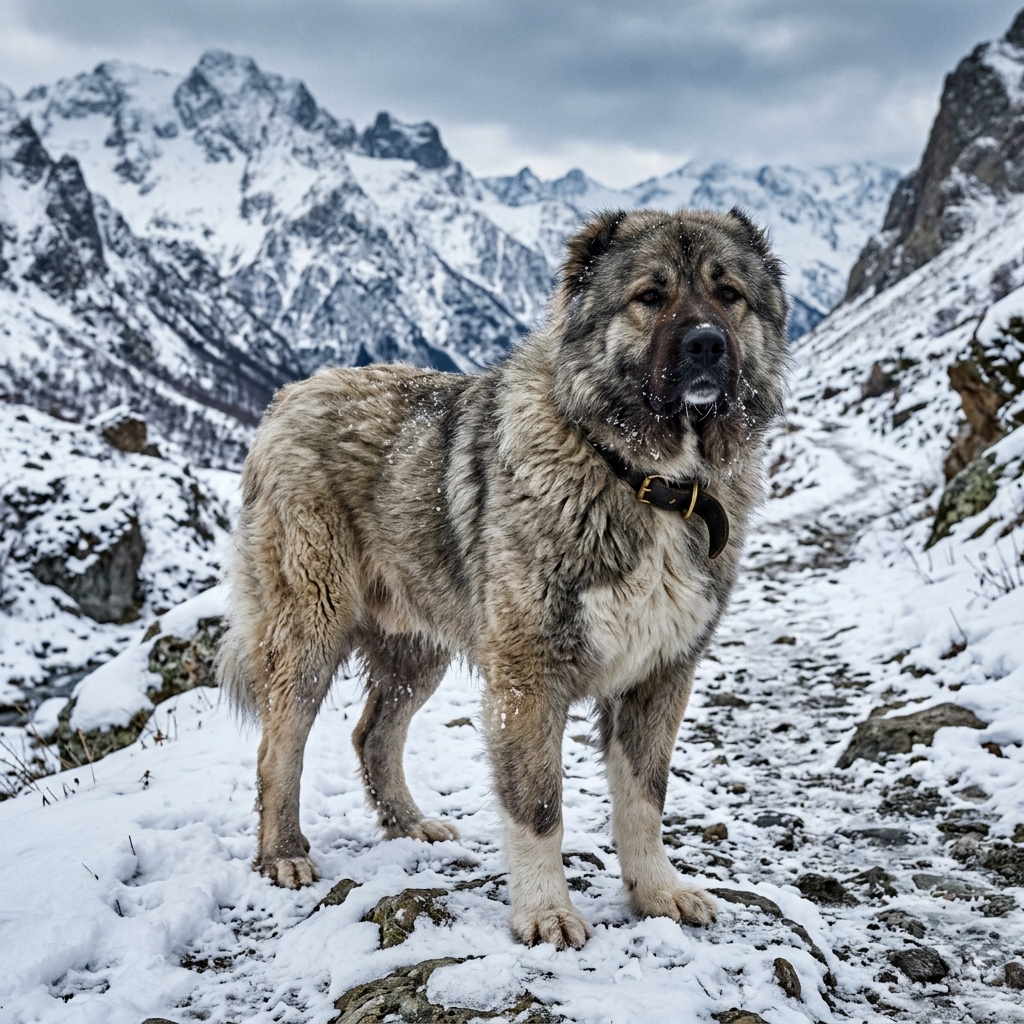
The Dogs of the Caucasus
The intense combination of massive predators, brutal weather, and rough terrain produced some of the most formidable working dogs on the planet.
Disclaimer: This content is for educational purposes only and does not constitute professional advice.